Hardwood vs. LVP Flooring: Cost, Wear, and Resale Value
Updated:
Solid hardwood typically costs $8 to $15 per square foot installed; luxury vinyl plank (LVP) runs $3 to $10. Hardwood scratches more easily but can be sanded and refinished four to six times over decades of service. LVP shrugs off water and pet claws but gets replaced, not refinished, every 10 to 25 years. The working split: hardwood in the living spaces you plan to keep, LVP in kitchens, baths, basements, and rentals.
What each floor costs installed
Treat these as typical broad ranges; your market and the specific product move the numbers.
| Floor | Typical installed cost per sq ft |
|---|---|
| LVP (click or glue-down) | $3 to $10 |
| Engineered hardwood | $7 to $13 |
| Solid hardwood | $8 to $15 |
Within hardwood, species and plank width drive the spread: red oak in a 2 1/4 inch strip sits at the bottom, wide-plank white oak and walnut at the top. Within LVP, the wear layer and the core type set the price. Click-lock LVP is also the one floor here a patient amateur can install well, which pulls the real cost down toward the $2 to $7 per square foot the material alone runs.
Scratch, dent, and water resistance
LVP durability lives in its wear layer, measured in mils (thousandths of an inch). The working thresholds: 12 mil is the residential minimum, 20 mil is the number for dogs and hard-use households, and 28 mil and up is commercial grade. Below 12, keep shopping.
Hardwood wears in the open. The finish takes scratches first, then the wood dents; hard species like white oak, hickory, and maple resist far better than pine or American cherry. The saving grace is repairability: a tired site-applied finish can be screened and recoated every few years, erasing surface scratches before they ever reach wood.
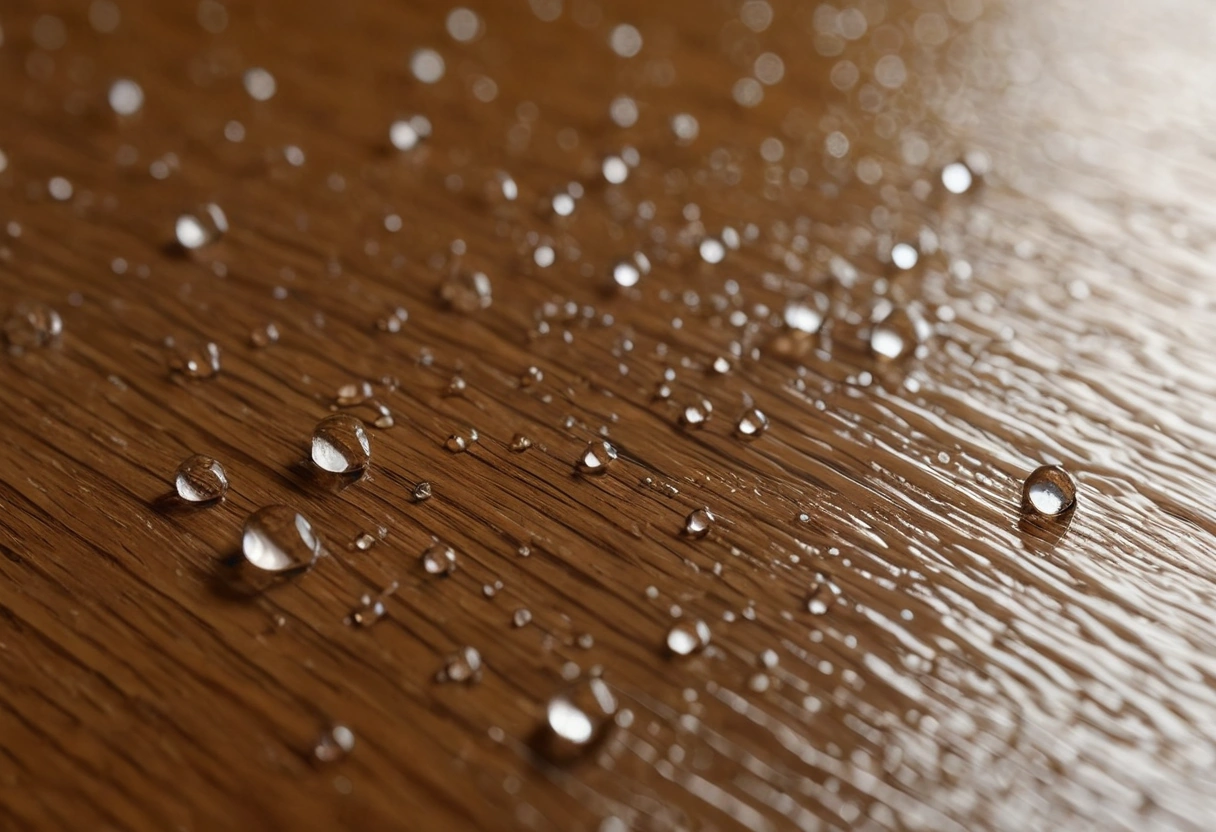
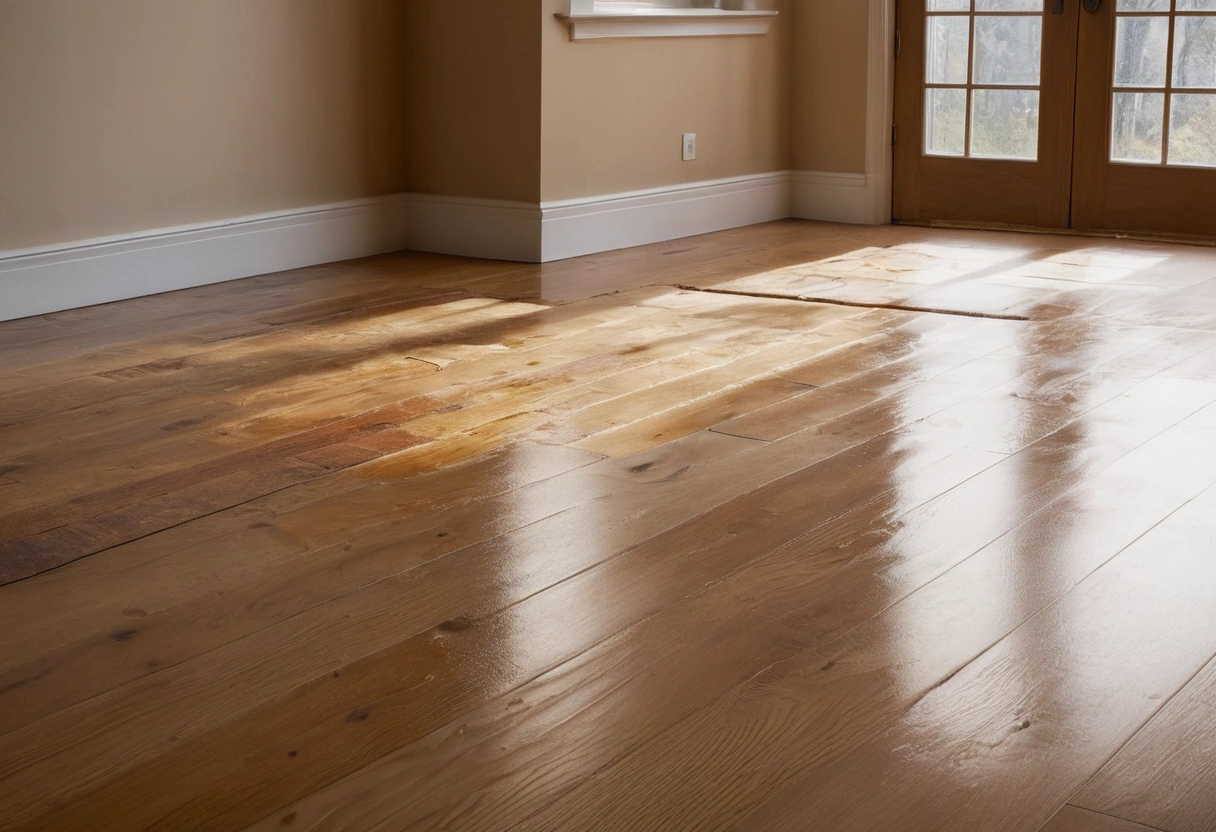
Water exposure creates the clearest divide between the two floors. A rigid-core LVP plank is waterproof as a material. A burst pipe can still force water through the seams and into the subfloor, but dog bowls, snowy boots, and bath splash do nothing to the plank. Hardwood cups and crowns under repeated moisture. Standing water on hardwood is an insurance claim, not a cleanup. ceramic vs porcelain tile compares two other flooring options for kitchens, baths, and other moisture-prone rooms.
Refinish or replace: the lifecycle math
A 3/4 inch solid hardwood floor carries enough wood above the tongue for four to six full sandings. At one refinish every 10 to 15 years as traffic demands, that is a lifetime floor, and refinishing typically runs $3 to $8 per square foot, well under replacement. Engineered hardwood depends on its veneer: a 2 mm wear layer allows about one careful sanding, 4 mm or more allows two or three.
LVP has no refinish path. When the wear layer scratches through or clouds over in the traffic lanes, the floor is done, and matching a discontinued plank five years later rarely works. Plan on a 10 to 25 year cycle, shorter at the thin end of the wear-layer range.
Resale follows the same logic. Long-standing real estate convention treats site-finished hardwood as a feature buyers pay for, and “hardwood throughout” still earns its line in a listing. Good LVP reads as clean and current but adds little beyond that; cheap LVP reads as a flip.
Where each floor wins, room by room
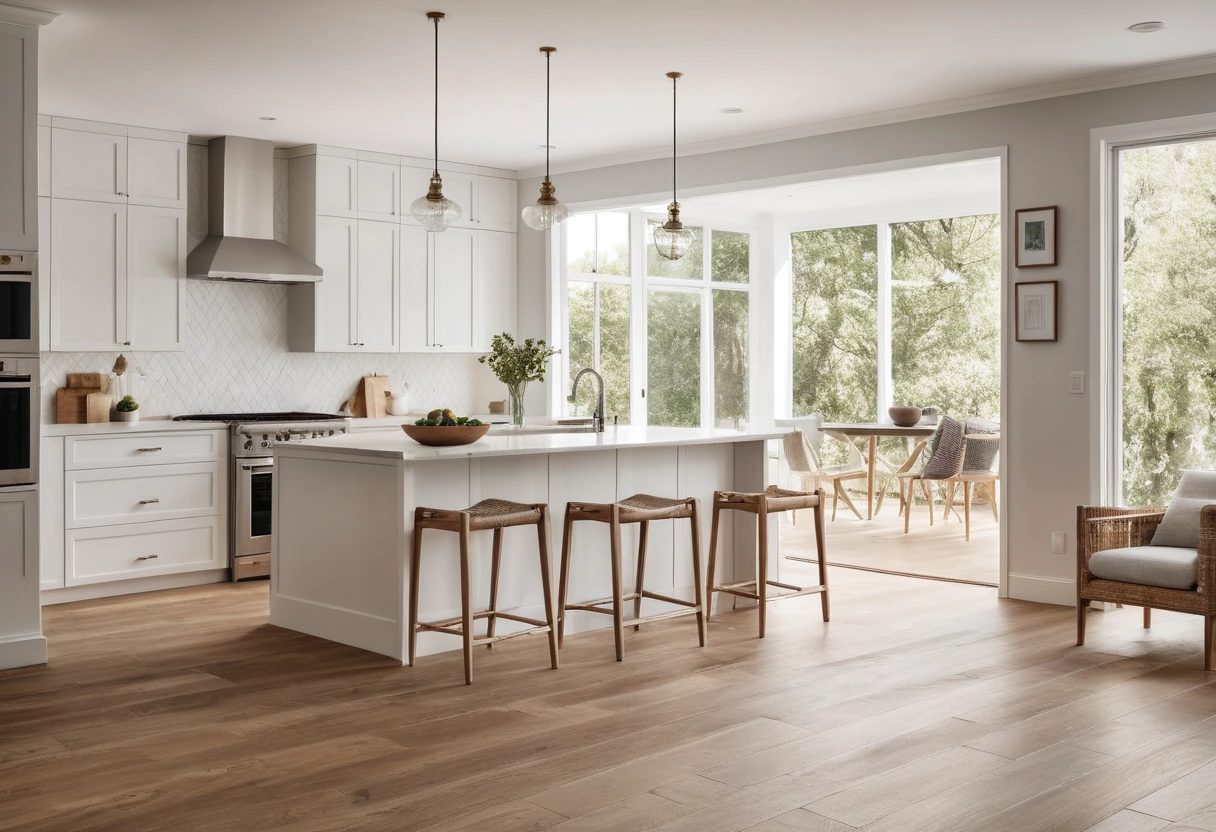
Living rooms, dining rooms, bedrooms, and halls: hardwood, if the budget allows. These are the rooms buyers see and the rooms where a 50 year floor amortizes best. Protect the traffic lanes with rugs sized to the furniture using the coverage math in our rug size guide, and lay out seating so paths follow the living room clearances instead of wandering across the finish.
Kitchens: either, honestly. Hardwood survives a kitchen that wipes up spills promptly; LVP survives one that doesn’t.
Bathrooms, laundry rooms, mudrooms, and basements: LVP, full stop. Solid wood doesn’t belong below grade or beside a tub. The other contender in wet rooms is tile, which pairs naturally with the fixture spacing in our small bathroom clearances guide.
Rentals and heavy pet households: LVP. The wear math and the water math point the same way.
Subfloor and sound, the quiet dealbreakers
LVP is thin, 4 to 8 mm, and it telegraphs whatever it lies on. The standard flatness spec is 3/16 inch of variation over 10 feet; beyond that, budget for patching or self-leveling compound before the first plank clicks together, because humps become gaps and flexing seams later.
Sound is LVP’s other tell. A floated click floor can sound hollow underfoot; an attached underlayment pad or a separate acoustic layer fixes most of it and matters double in condos and on second floors. Nailed hardwood feels more solid and never clicks, though any hard floor is loud for the room below without rugs.
One note on looks: printed LVP repeats its wood grain every dozen boards or so, so pull planks from several boxes as you lay. And treat a printed “oak” as a real wood tone when furnishing; the method in our guide to mixing wood tones applies to vinyl oak exactly as it does to the real thing.
The call, in six lines
- Staying 10 or more years, above grade: solid hardwood at $8 to $15 per square foot.
- Same house, but over concrete or radiant heat: engineered hardwood, 3 mm or thicker veneer.
- Kitchens with kids, baths, laundry, basements: rigid-core LVP with a 20 mil wear layer.
- Rental unit: LVP at 12 to 20 mil in a mid-tone color that hides scratches.
- Selling within three years: hardwood where buyers will see it, if the numbers stretch.
- Never: LVP under 12 mil, or solid hardwood in a basement.