Multifunctional Furniture: What to Buy and What to Skip
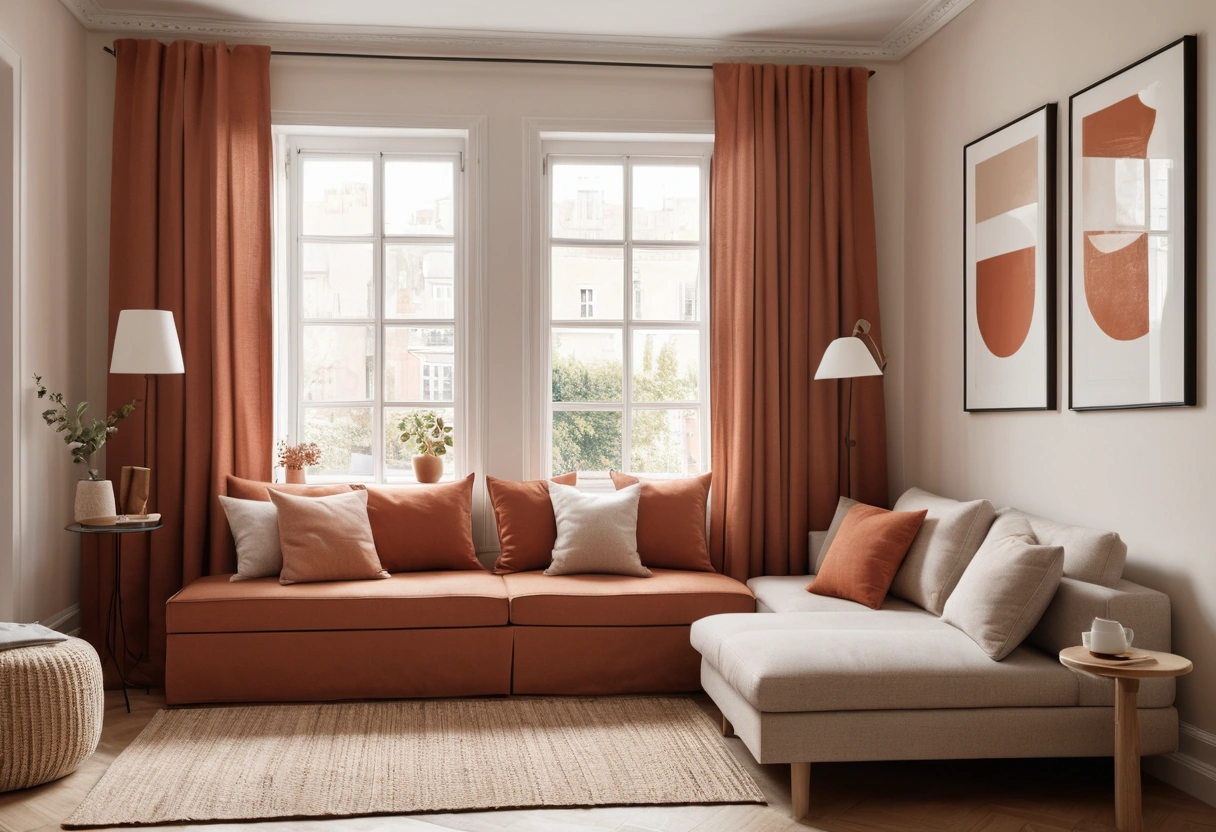
Multifunctional furniture pays off when the conversion happens often and takes one hand. The honest ranking: storage ottomans and drop-leaf tables convert daily and cost little; extension tables earn their keep a dozen times a year; sleeper sofas trade everyday comfort for a monthly guest; and a murphy bed, typically $1,500 to $5,000 installed, only makes sense when it operates every single morning.
The daily-use test
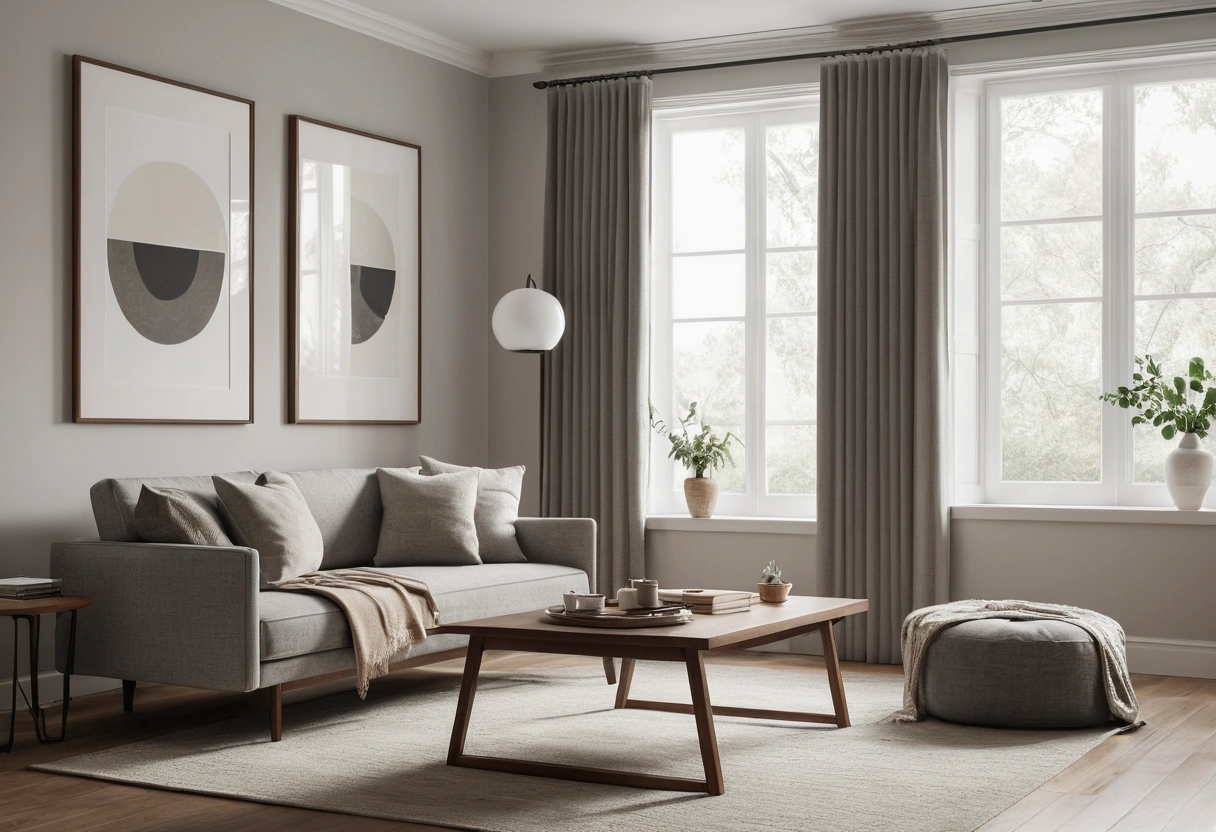
Before any spec, apply one filter: how often will this piece actually convert, and how hard is the conversion? The pattern is reliable. A conversion that takes one hand and under ten seconds happens daily. One that requires clearing a surface, moving cushions, or a second person happens monthly, then never. A table that must be emptied before it extends is, in practice, a fixed table.
So rank your real frequencies first: nightly bed, weekly guests, twice-a-year dinner for ten. Buy convertibility only for the frequent events; rent, borrow, or improvise for the rare ones. This filter matters most in studios, where every piece works two shifts by definition; the zone math is in our studio apartment layout guide.
Storage ottomans and benches: buy these first
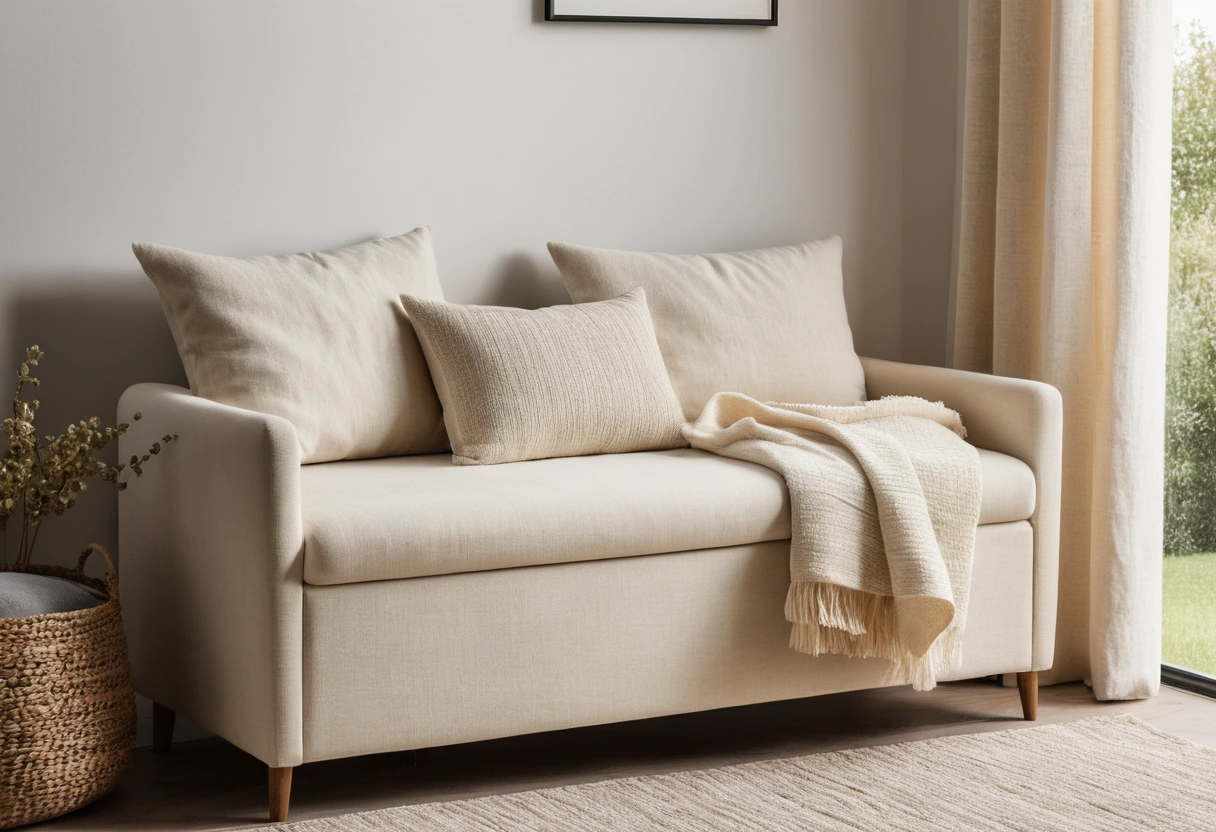
The storage ottoman is the category’s best purchase and its cheapest, typically $100 to $300. A 36-by-18-by-18-inch ottoman is a footrest, a spare seat, an emergency coffee table with a tray on top, and roughly 3.5 cubic feet of blanket storage, and its “conversion” is lifting a lid. In a small seating plan it routinely stands in as the fifth seat, a role covered in our small living room furniture guide.
The same logic runs a storage bench: 48 by 16 inches at the foot of a bed or by the door, seat plus bin, no moving parts to regret. Pair it with under-bed drawers and you’ve handled most of a small room’s linen and sweater load; the full plan is in small bedroom storage.
Tables that grow: drop-leaf and extension
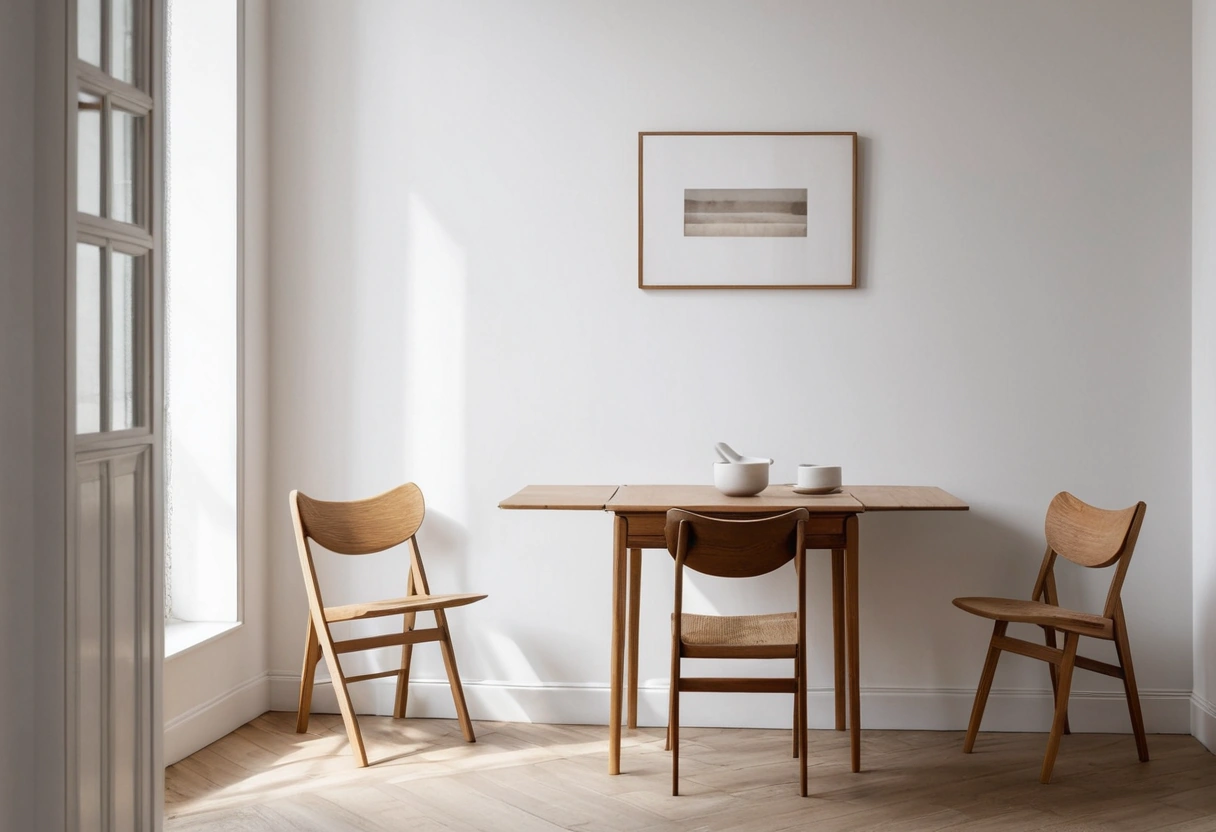
A drop-leaf table is the small-space workhorse. A 36-to-42-inch round drops to a 10-to-12-inch console against the wall, converts in seconds, and seats two to four when open. It passes the daily-use test with ease.
The lift-top coffee table belongs in the same tier. The top rises 10 to 12 inches on scissor hinges to laptop-and-dinner height, with storage in the base, and the conversion is one motion. For anyone working from a sofa, it converts more times per week than any other piece in this article.
Extension tables serve a different rhythm: right-sized most of the year, big a dozen times. The working math is about 24 inches of table edge per diner, so a 20-to-24-inch leaf adds roughly one seat per side. Two specs decide satisfaction: self-storing leaves (leaves that live in a hall closet stop getting used) and a one-person mechanism. Check the seated math against our dining table size guide before trusting a listing’s seat count.
Sleeper sofas: honest numbers
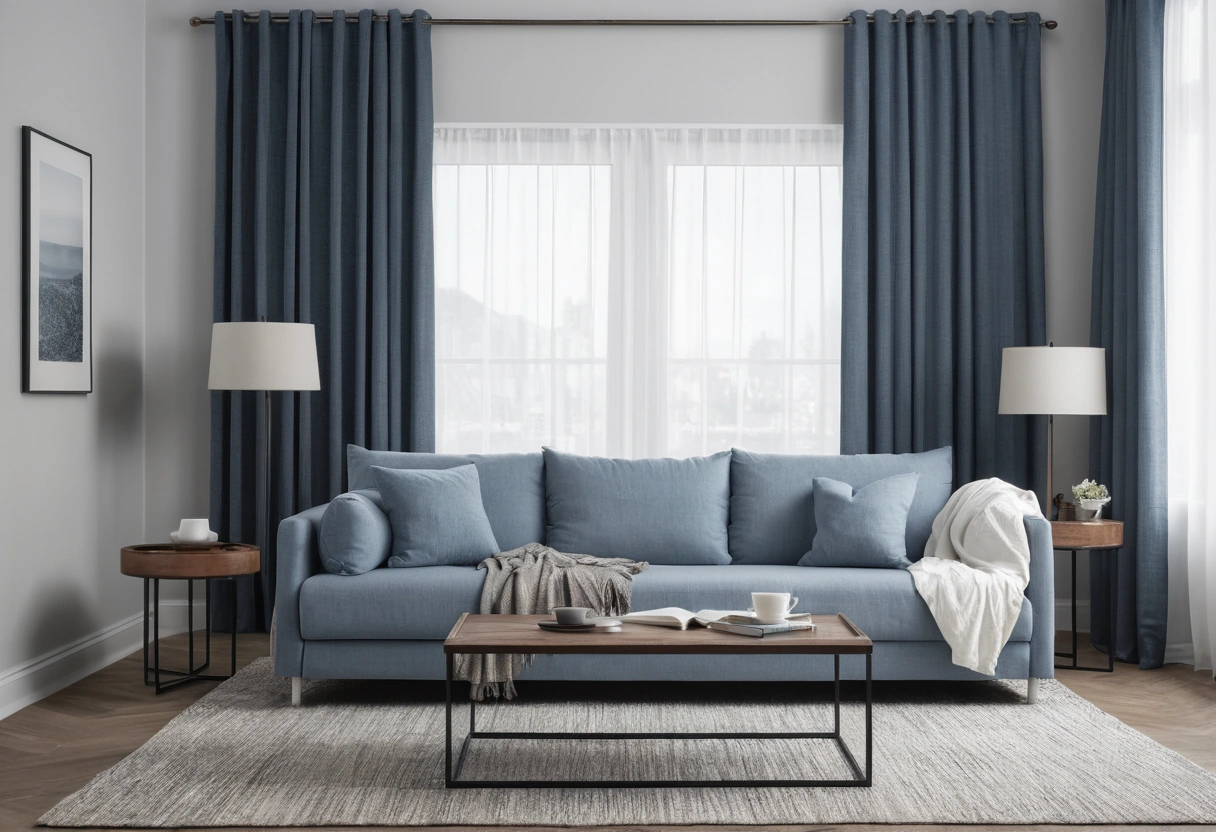
The sleeper sofa is the category’s most oversold piece. The real figures:
| Spec | Typical number |
|---|---|
| Sofa width (queen sleeper) | 84 to 90 in. |
| Open depth from wall | About 90 in. |
| Mattress thickness | 4.5 to 5 in. |
| Weight | 250 lb and up |
| Premium over the same sofa | $300 to $800 |
The tradeoffs behind the numbers: the mechanism stiffens the seat and thins the cushions, so a sleeper sits a notch worse than the identical non-sleeper every day of the year. Opening it needs 90 clear inches, which in a small room means moving the coffee table every night it’s used. And it weighs enough to make every future move harder.
The verdict follows the frequency test. Guests once a month or less: a sleeper, or honestly a good air mattress, is fine. Anyone sleeping on it nightly deserves a real bed or a murphy. If you do buy one, it will earn hard wear from both jobs, so put a rated fabric on it; thresholds are in our performance fabric guide.
Murphy beds: the big-ticket conversion
A murphy bed is the only piece here that genuinely gives a room two full-time identities. A queen unit runs about 16 to 18 inches deep closed and needs a clear floor arc equal to the bed’s length, roughly 87 inches, to fold down. Modern piston mechanisms make the fold a one-hand, ten-second job, which is exactly why it passes the daily test where the sleeper fails it.
The catch is price and permanence: $1,500 to $5,000 as a typical installed range, anchored to studs, effectively built-in. It pays when the same room must be a real office by day and a real bedroom by night, every day. For a twice-a-month guest room, it’s the most expensive way to store a mattress ever devised.
Buy or skip: the shortlist
- Buy: storage ottoman, storage bench, drop-leaf table, self-storing extension table.
- Buy if daily: murphy bed for a true office-bedroom; budget $1,500 minimum installed.
- Buy if monthly: sleeper sofa, accepting the everyday seat penalty and the weight.
- Skip: any conversion needing two people or a cleared surface; convertible pieces meant to serve rare events; “space-saving” items smaller than the job (a 15-inch cube is not a seat).
One rule covers the category: pay for the conversions you’ll make this week, not the ones you can imagine making someday.