Performance Fabrics: Rub Counts and Ratings, Explained
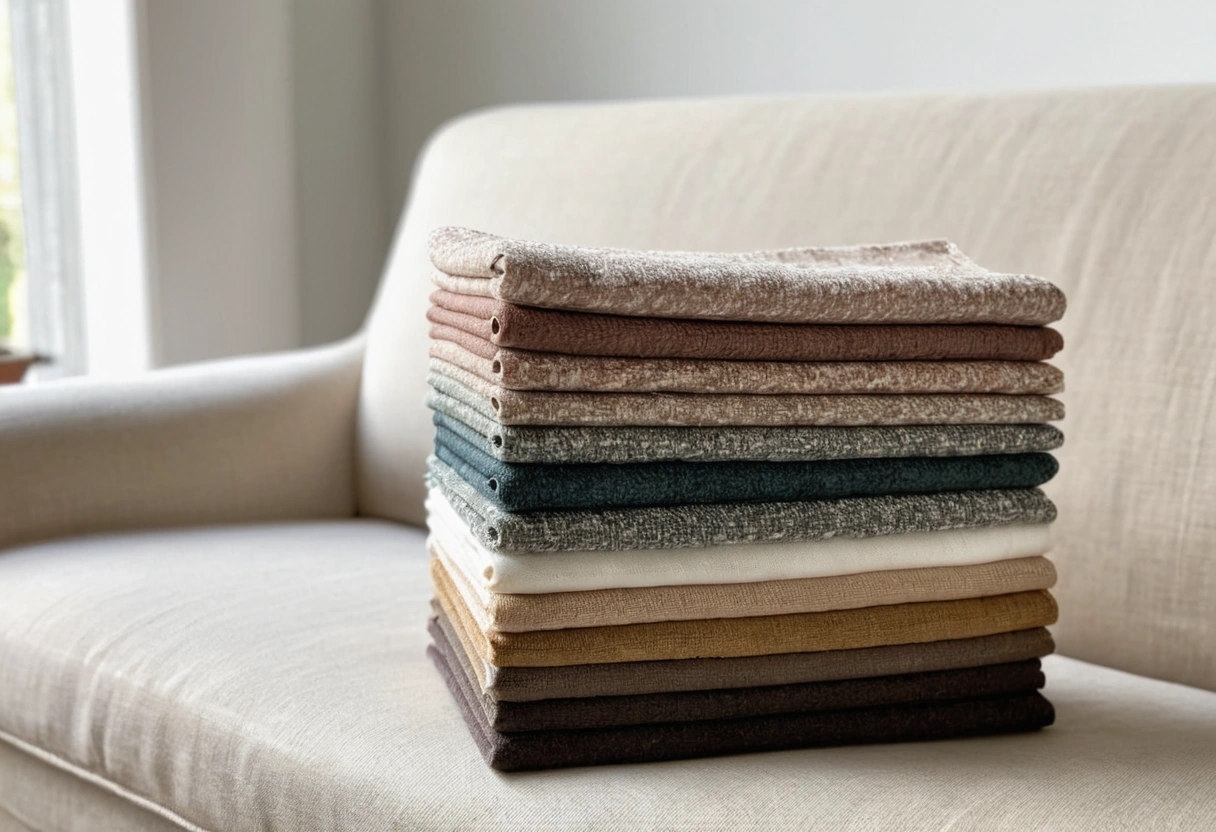
Upholstery abrasion is graded in double rubs on the American Wyzenbeek test or in cycles on the European Martindale test. The working thresholds: 15,000 double rubs for an everyday sofa, 25,000 and up for households with kids and pets; on Martindale, 20,000 for general home use and 30,000 and up for hard duty. Add a cleaning code you can live with (W or WS) and, for true spill-proofing, a solution-dyed fiber.
What double rubs and Martindale actually measure
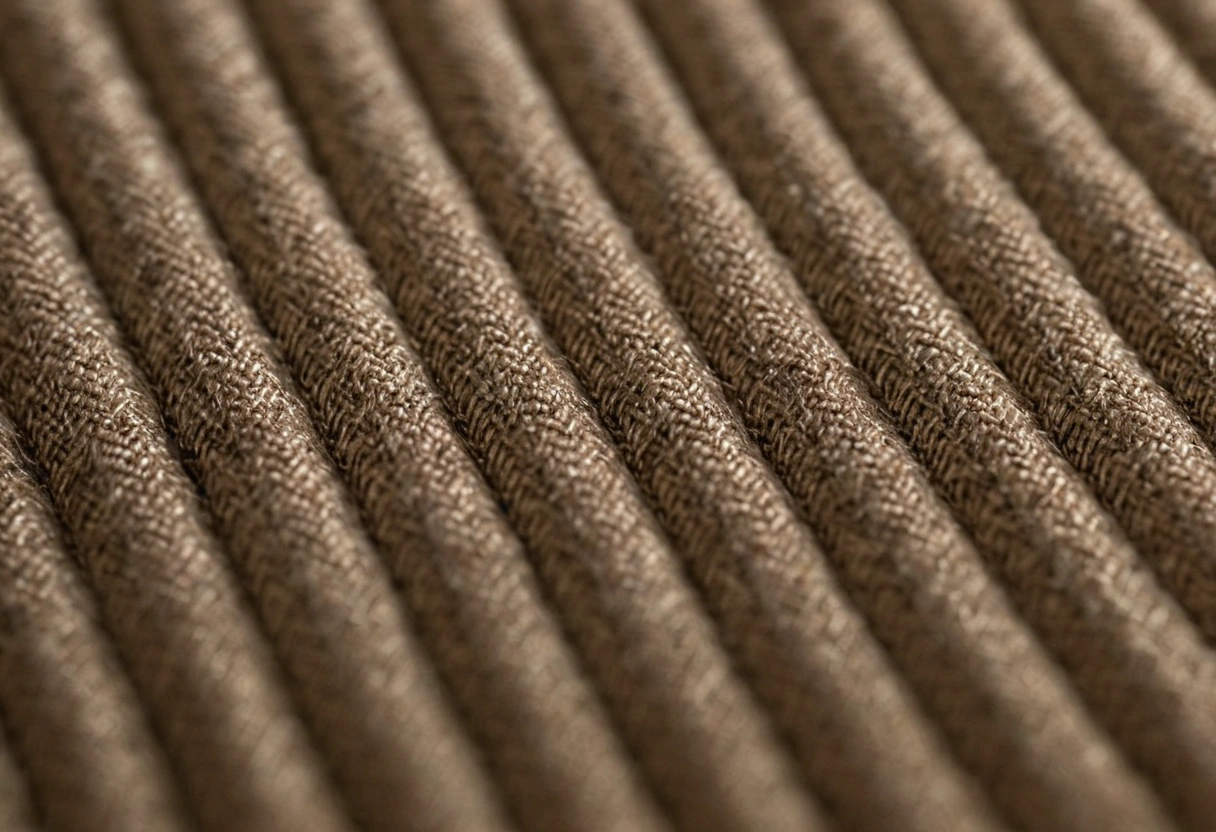
The Wyzenbeek machine drags cotton duck or wire mesh back and forth across the fabric; each back-and-forth pass is one double rub, and the test runs until yarns visibly break. Martindale rubs in a figure-eight motion and counts cycles. American mills usually quote Wyzenbeek, European mills Martindale, and there is no trustworthy conversion between them, so judge each number on its own scale.
| Duty | Wyzenbeek (double rubs) | Martindale (cycles) |
|---|---|---|
| Occasional: formal chairs, benches | 9,000 to 15,000 | 10,000 to 20,000 |
| Everyday family seating | 15,000 to 25,000 | 20,000 to 30,000 |
| Hard duty: kids, pets, sleepers | 25,000 to 30,000 | 30,000 to 40,000 |
| Commercial grade | 30,000 and up | 40,000 and up |
One caveat the labels skip: past roughly 50,000 double rubs, the number is marketing. Abrasion testing predicts wear-through, and wear-through is rarely what kills a sofa. Pilling, seam slippage, fading, and stains get there first.
What actually makes a fabric “performance”
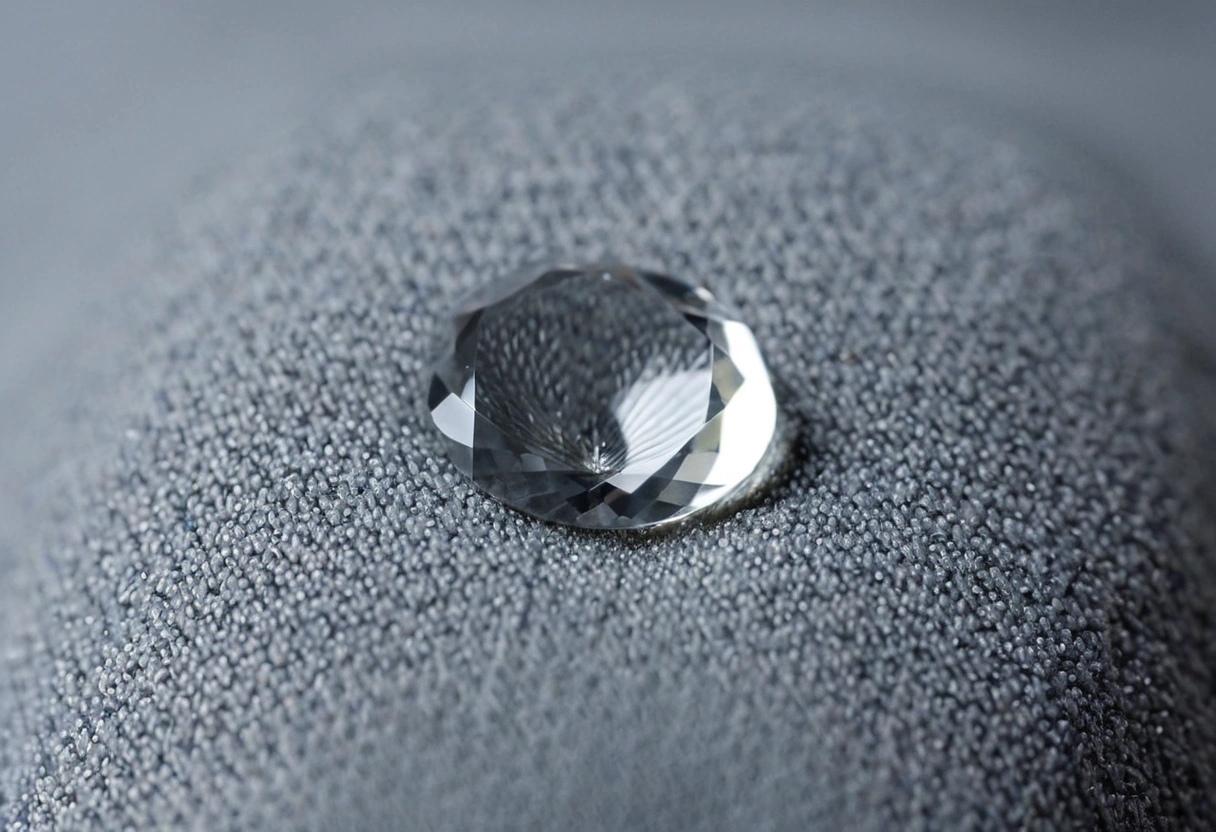
The word has no legal definition; the features do. The one that matters most is solution-dyed fiber: pigment is mixed into the liquid polymer before the strand is spun, so the color runs all the way through, like a carrot rather than a radish. Conventionally dyed yarn wears its color on the surface. Solution-dyed acrylic, polyester, and olefin resist sun fading and take serious cleaning; the long-standing convention for solution-dyed acrylic is that even a mild bleach solution, about 1 part bleach to 10 parts water, won’t strip the color.
The rest of the package is usually a stain-repellent finish, a tight weave that keeps spills beading on the surface, and sometimes a moisture barrier behind the face fabric. Finishes wear off in a few years of sitting and washing; fiber and weave don’t. When you pay the premium, pay for fiber first.
The fibers themselves rank predictably. Olefin resists stains by nature and costs the least; solution-dyed acrylic handles sun best, which is why it dominates outdoor lines; high-grade polyester balances hand and durability and carries most indoor performance fabric. Cotton and linen bring texture no synthetic quite matches, but on their own they test low and stain fast, so in hardworking rooms they usually appear as blends with a synthetic backbone.
Cleaning codes: W, S, WS, and X
Every upholstery fabric carries a one- or two-letter cleanability code on its spec sheet:
- W: water-based cleaners and foam. The code you want with children in the house.
- S: solvent-based products only; water leaves rings.
- WS (sometimes SW): either method works.
- X: vacuum only; stains are a professional’s problem.
In daily life the code outranks the rub count. A 40,000 double rub fabric coded S is a poor choice for a breakfast banquette, because coffee and juice are water, and no abrasion number fixes that.
Where the premium pays off, and where it doesn’t
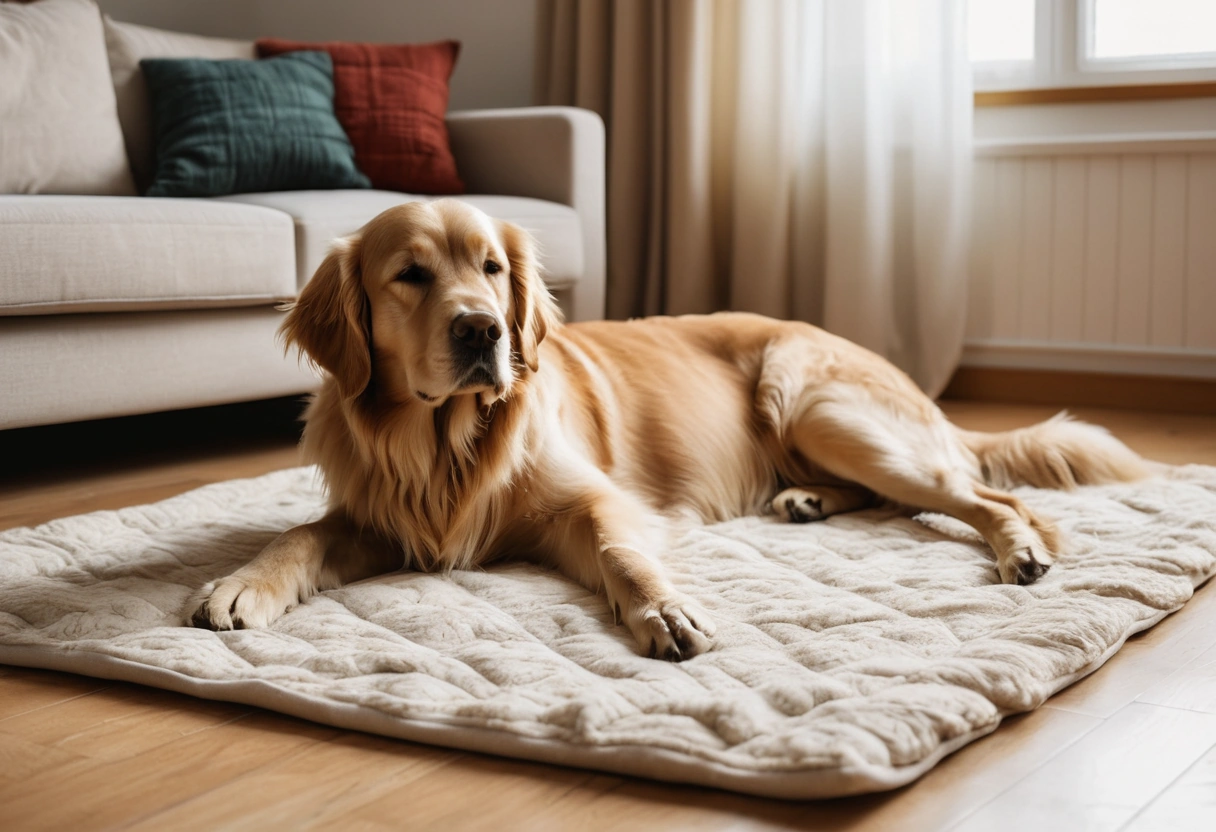
Typical pricing: standard upholstery fabric runs $20 to $60 a yard, performance lines $40 to $100, and a full-size sofa takes 12 to 16 yards, so the upgrade often adds a few hundred dollars to a custom piece. Spend it where hands and spills actually land: the everyday sofa, the sleeper sofas and storage ottomans that get handled daily, dining seat cushions, and the one couch in a studio that does everything, especially at the apartment sofa scale where replacing it is a whole-room event.
Skip it on formal chairs, headboards, and decorative pillows; 9,000 double rubs is plenty for a seat used twice a month. Drapery doesn’t need abrasion ratings at all, though sun-facing panels benefit from the same solution-dyed logic, as noted in our guide to curtain length and fabric. The parallel holds underfoot too: the reason low-pile rugs go under dining tables in our rug size guide is this same wear-and-cleanability math.
The specs that kill sofas first
Ask for two more numbers before you order. Pilling is graded 1 to 5 after a standardized rub test; hold out for 4 or better, because a pilled cushion looks worn in six months regardless of its rub count. Lightfastness is graded after standardized light exposure; for seating in direct sun, ask for the top grades and favor solution-dyed fiber over any sprayed finish. Then run the low-tech seam check: pinch the memo sample and pull across the weave with your thumbs. Yarns that shift and gap at the pinch point predict gaping seams on the arm of your sofa.
The fabric shopping checklist
- Everyday sofa: 15,000 or more double rubs, or 20,000 or more Martindale cycles.
- Kids, pets, or a sleeper: 25,000 double rubs and up, W or WS code, solution-dyed fiber.
- Pilling grade 4 or better; top lightfastness grades for sunny rooms.
- Formal or occasional seating: buy the fabric you love; ratings barely matter.
- Always order the memo sample. Scrub half with a damp white cloth, leave it in a sunny window for a week, then compare halves before committing.