Light Bulb Color Temperature: 2700K vs. 3000K vs. 4000K
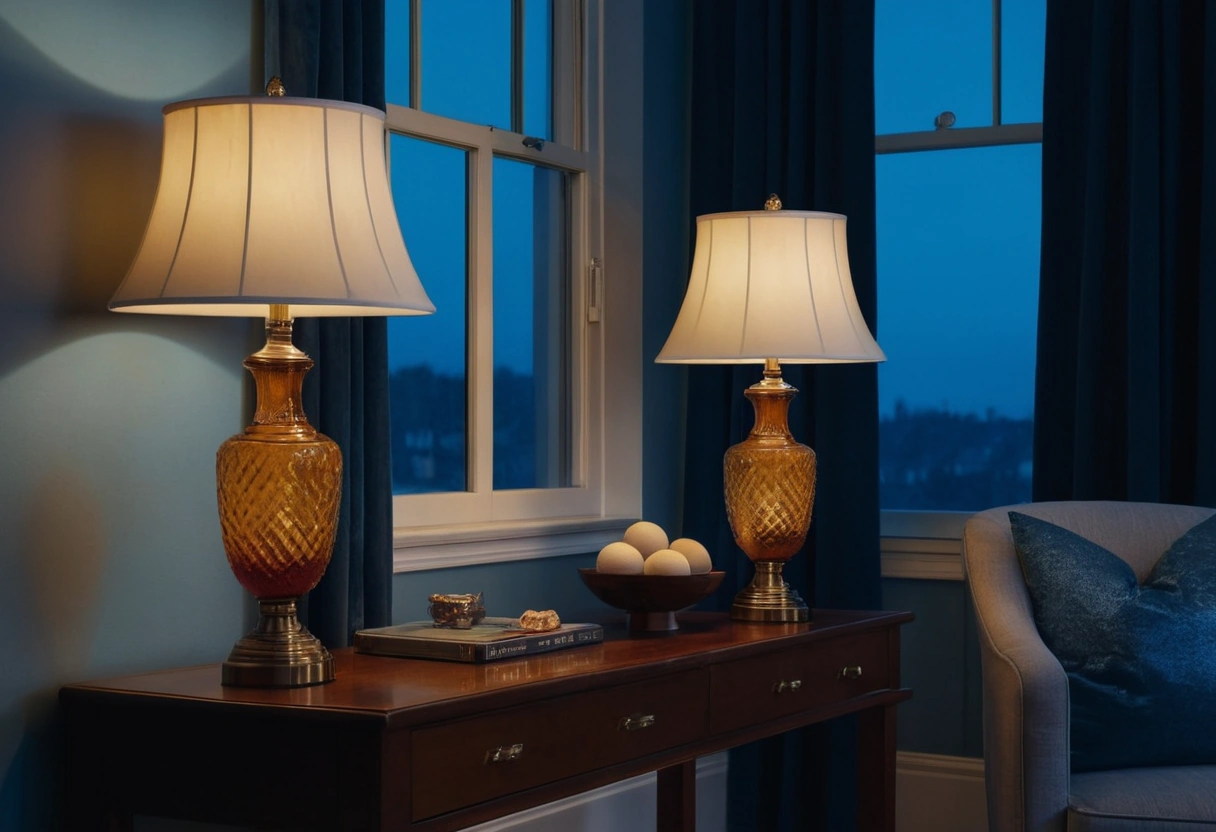
Color temperature describes how warm or cool a bulb’s light looks, measured in Kelvin. The short version: 2700K matches the old incandescent glow and suits living rooms and bedrooms, 3000K is slightly crisper and fits kitchens and baths, 4000K reads cool and clinical and belongs in garages and workshops. Keep every bulb in a room within one rating, and buy CRI 90 or better.
The Kelvin scale in plain terms
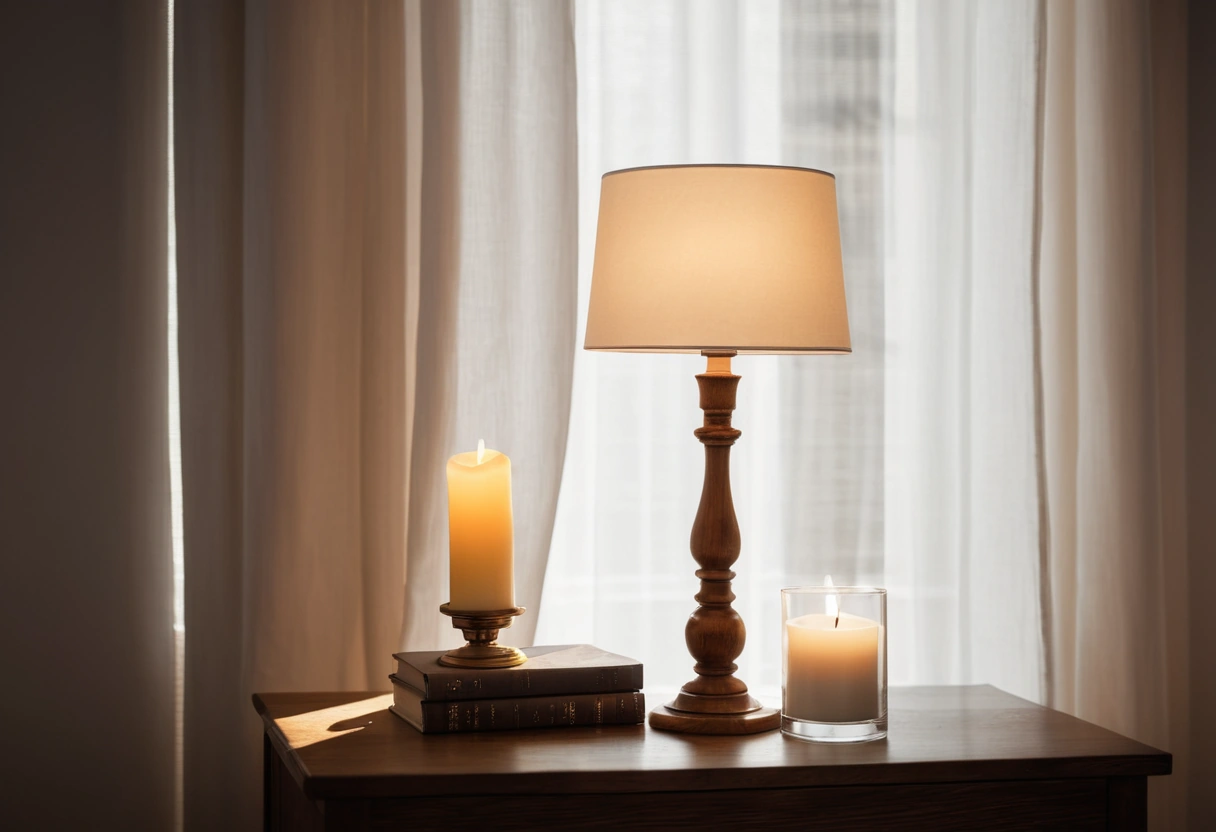
The scale runs backward from instinct: lower numbers are warmer. A candle flame sits near 1800K, a traditional incandescent bulb at 2700K, halogen at about 3000K, “cool white” office light at 3500K to 4000K, and daylight-rated bulbs at 5000K to 6500K, the blue-white of an overcast noon. The amber bulbs sold for exposed-filament fixtures run 2000K to 2200K; treat those as candlelight, for mood rather than reading.
Warm light reads as right in the evening for a plain reason: a century of firelight and incandescent bulbs trained everyone to expect it, and common practice follows that habit, warmer light for winding down, cooler light for alert daytime work.
Two things Kelvin does not tell you. It says nothing about brightness, which is lumens, budgeted separately in lumens per room. And it says nothing about color accuracy, which is CRI, covered below. A bulb can be warm and dim, warm and blinding, cool and flattering, or cool and terrible.
Which temperature belongs in which room

| Rating | Reads as | Where it belongs |
|---|---|---|
| 2700K | Warm, golden | Living rooms, bedrooms, dining |
| 3000K | Warm-neutral | Kitchens, bathrooms |
| 3500K to 4000K | Neutral to cool | Laundry, garage, workshop |
| 5000K and up | Blue-white daylight | Detail work benches, rarely living space |
The pattern: rest spaces warm, work spaces slightly cooler. At 2700K skin and wood flatter; at 3000K whites stay white at the counter without going cold. Home offices split the difference: 3000K to 3500K keeps you alert without the operating-room feel, and the desk light matters as much as its position in the home office setup. Porches and exterior fixtures stay at 2700K so the house glows instead of glaring, and closets do well at 3000K, where you judge clothes.
Rules for mixing temperatures in one room
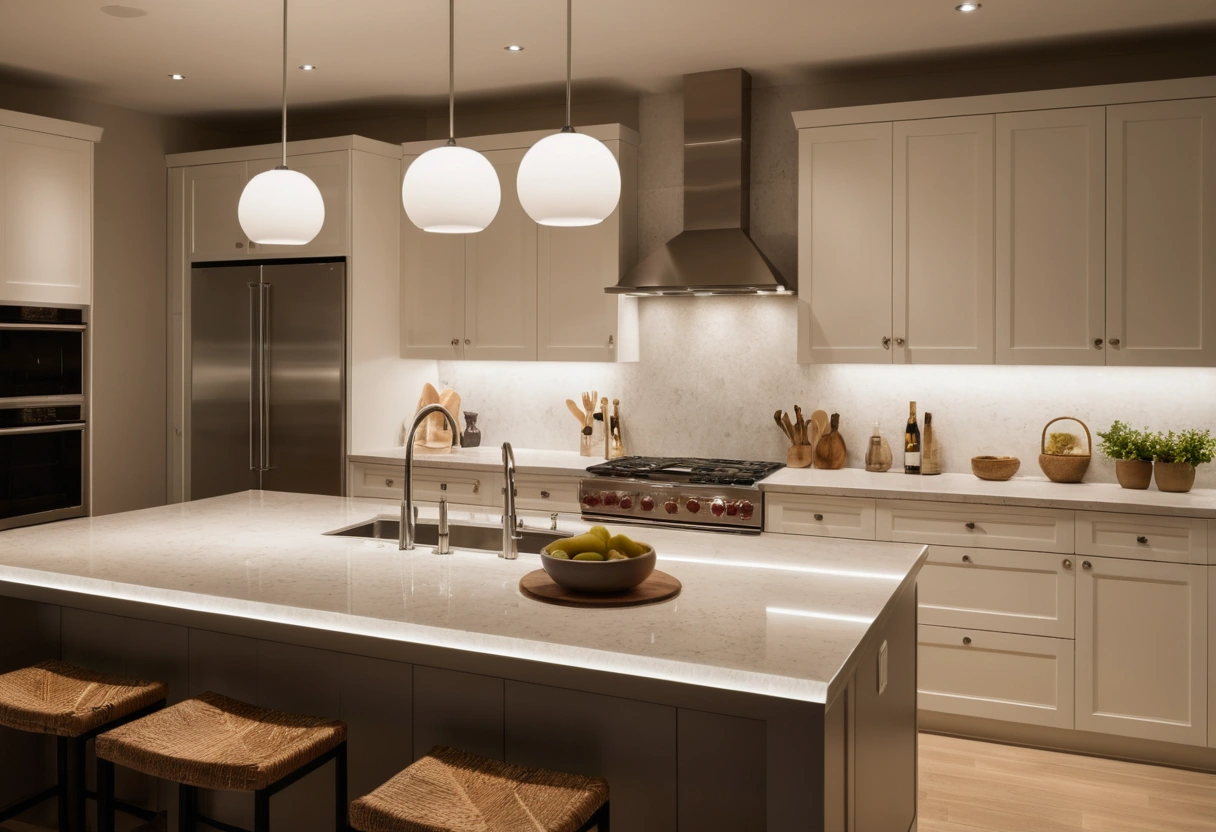
One rating per room is the default that never fails. When mixing serves a purpose, the working conventions:
- Stay within about 300K. 2700K lamps and 3000K under-cabinet strips coexist quietly; 2700K and 4000K in one sightline look like a mistake.
- Separate by function and height. Warmer in lamps at eye level, slightly cooler on the work surface reads intentional. Random per fixture reads broken.
- Never mix within one fixture type. Two Kelvin ratings scattered through a single ceiling of cans is the most common accidental mix, and it usually comes from replacing bulbs one at a time. Bulbs also age, drifting slightly in color and output over years, one more reason to swap sets rather than singles.
- In open plans, treat every space you can see at once as one room. A kitchen at 3000K flowing into a 2700K living area works because the jump is small and the zones are distinct; anything wider fights itself across the sightline.
- Dim-to-warm LEDs slide from about 3000K down toward 2200K as they dim, mimicking incandescent behavior. They’re the cleanest way to get a kitchen that works at breakfast and glows at dinner.
CRI, the second number on the box
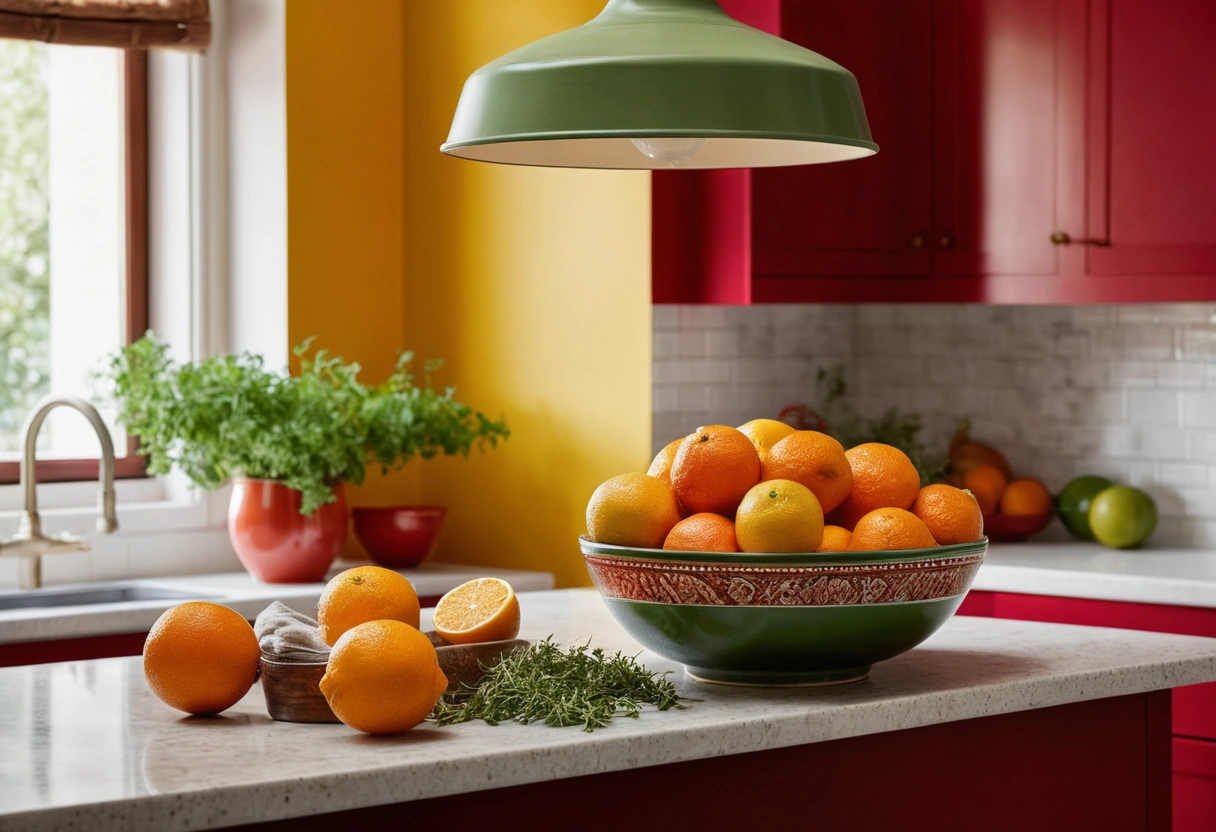
The Color Rendering Index runs 0 to 100 and measures how accurately a bulb shows color. Standard cheap LEDs run CRI 80, and 80 is where reds dull, skin looks off, and wood goes flat. The buying rule: CRI 90 or better, and if the packaging lists R9, the red sub-score, higher is better.
Where it shows most: at the bathroom mirror, where CRI 80 sabotages makeup and shaving, placement numbers in vanity lighting placement; over kitchen counters, where food color is the whole job; and anywhere you judge finishes. Paint chips shift hard between 2700K and 4000K and between CRI 80 and 95, which is why swatches get tested at home under your own bulbs before anyone buys a gallon.
Matching bulbs across fixtures
Marketing names are unreliable: “soft white” usually means 2700K, “warm white” 3000K, “bright white” or “cool white” 3500K to 4100K, and “daylight” 5000K and up, but brands drift, so buy by the printed Kelvin number, never the name.
Habits that keep a house consistent:
- Replace bulbs in room sets, not one at a time. A fresh 3000K bulb beside an aging 2700K neighbor announces itself every evening.
- Write down each room’s spec, Kelvin, CRI, and lumens, and keep the list in your phone for the hardware store.
- Check fixtures with built-in LEDs before buying. Many are fixed at 3000K, and many ship with a selector switch; set every switch in the room to the same rating.
- Tunable smart bulbs cover the whole range from one unit, useful in rooms that shift from work to rest, but set fixed scenes; drifting temperatures per bulb recreates the mismatch problem automatically.
- LED strips follow the same rules: match the strip’s Kelvin to the room’s bulbs, and buy the whole run from one batch, since strip color shifts between production lots.
- At the bedside, warm and dim wins: 2700K reading light, sized and mounted per bedside lighting heights.
The buying checklist
- Read Kelvin, lumens, and CRI on the box; ignore the marketing name.
- 2700K in rest rooms, 3000K in work rooms, one rating per room.
- Never jump more than about 300K within one sightline.
- CRI 90 or better anywhere faces, food, or finishes matter.
- Dimmable bulbs on every dimmed circuit; dim-to-warm where evenings matter most.
- Replace in sets, buy a spare, and write the spec down.