How to Test Paint Colors: Samples, Light, and Timing
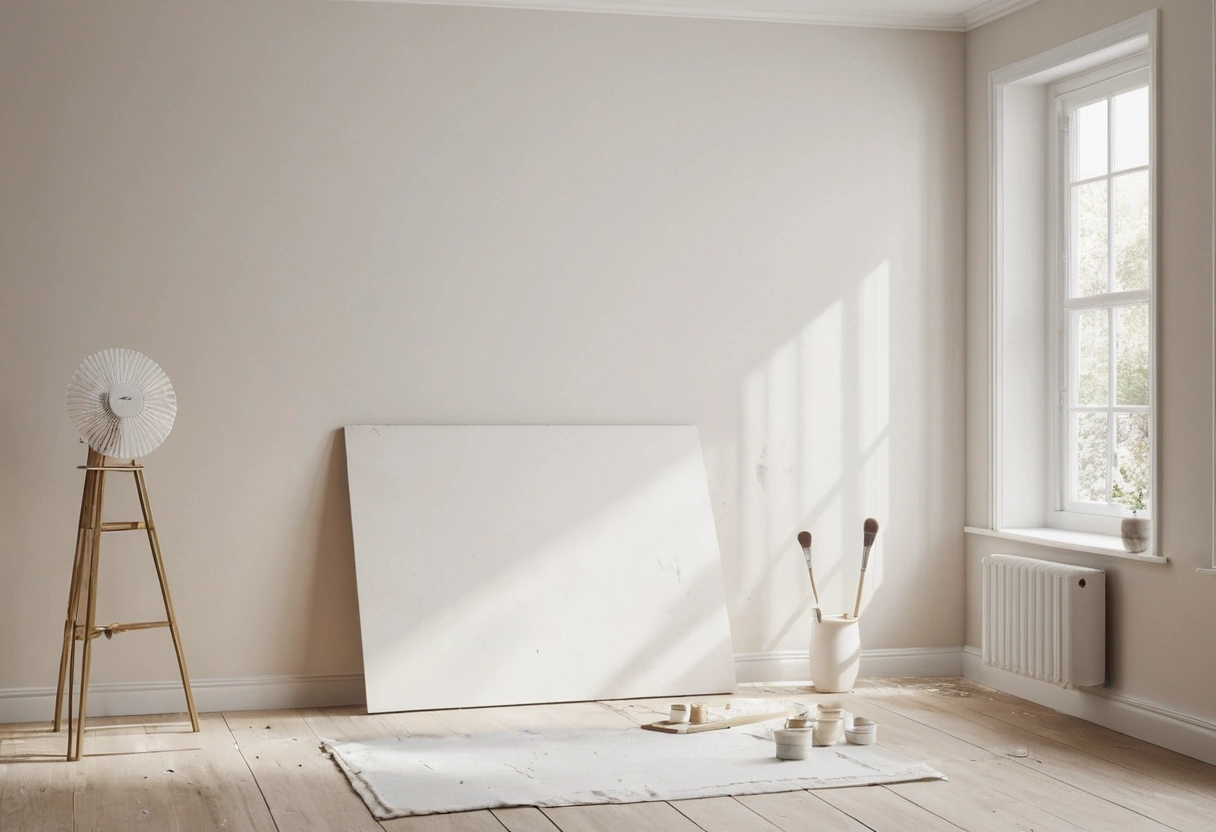
Paint your samples on boards, not walls: two coats on a board at least 18 by 24 inches, painted edge to edge with no white border. Tape each board to the wall and read it three times in one day, morning, midday, and after dark under your own bulbs. Run two to four finalists, never just one, and give the winner 48 hours on the wall before you order gallons.
Sample boards beat wall patches
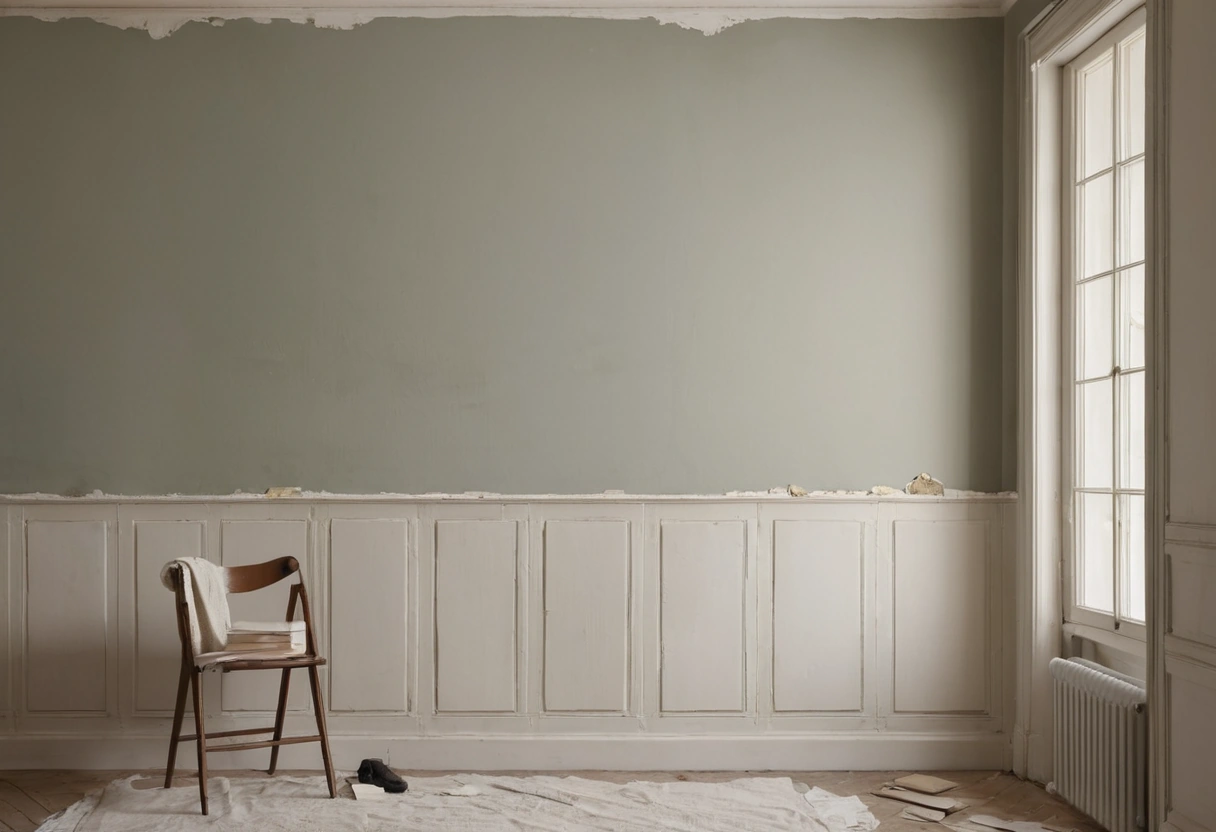
Boards win on three counts. They move: the same sample can be checked on every wall, in the dark corner, behind the curtains, and down at baseboard level, where a fixed patch tests only one spot. They leave no scars: dark sample patches on the wall need priming before the finish coat, and skipped priming shows as ghost squares through the final color. And painted edge to edge, a board avoids the white frame effect, where surrounding bare wall makes every candidate look darker and duller than it will finish.
Use foam board or primed poster board, and always two coats; one coat reads patchy and lies about depth. Write the color name and code on the back, not the front, so the label never biases the vote.
Sample pots are cheap insurance: most brands sell them at a typical $5 to $10, and one pot covers several boards with paint to spare. Many pots come in a single sheen, which is fine for the first round but not for the final call.
How many candidates to run
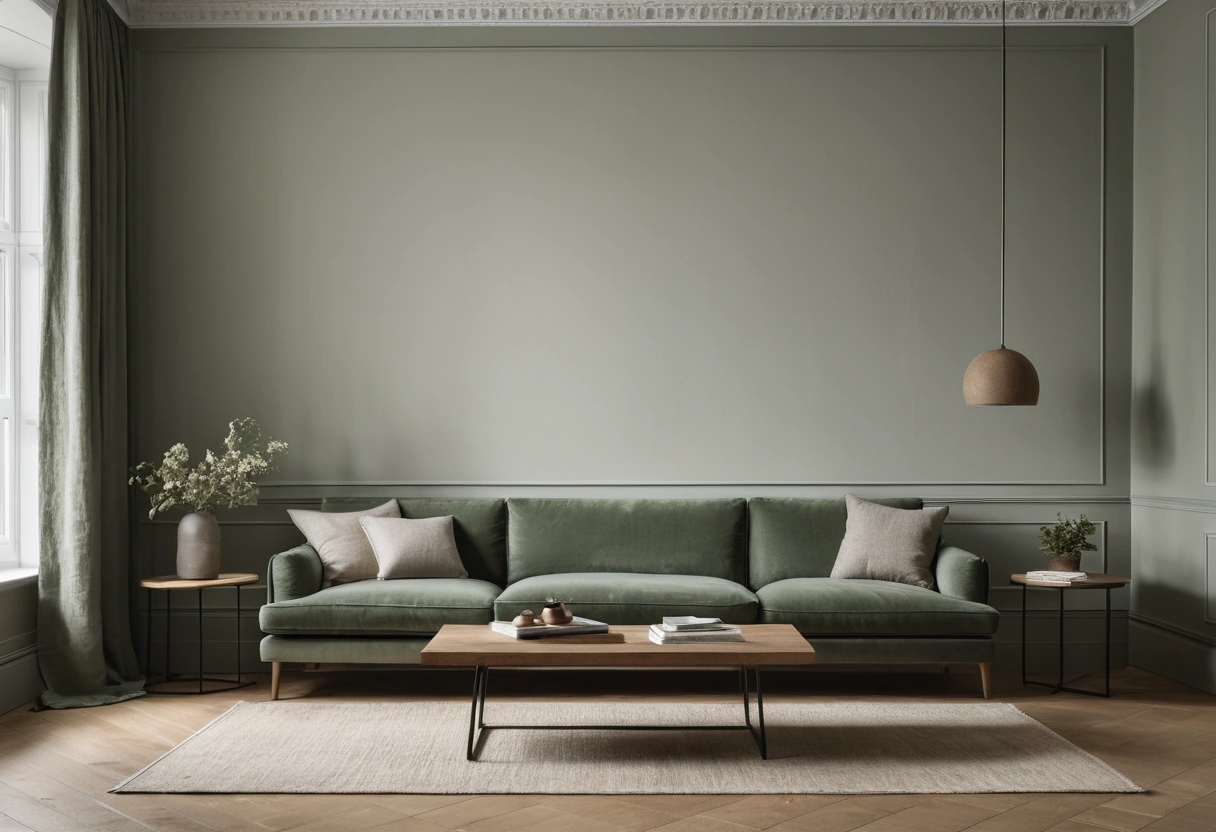
Two to four. Testing a single color is a confirmation exercise: with nothing to compare against, you will talk yourself into it. Past four, the differences blur and the test stalls in indecision.
Do the narrowing before you spend on samples. Commit to an undertone family first, using the chip tricks in our guide to reading paint undertones, then pick your finalists inside that family, ideally one a half-step lighter and one a half-step deeper than your gut choice. Small rooms and dark colors justify the fourth slot; whites almost demand it. Hang the boards where the whole household passes them for two days and collect the votes before announcing a winner; repainting over a vetoed color costs a weekend.
The viewing schedule
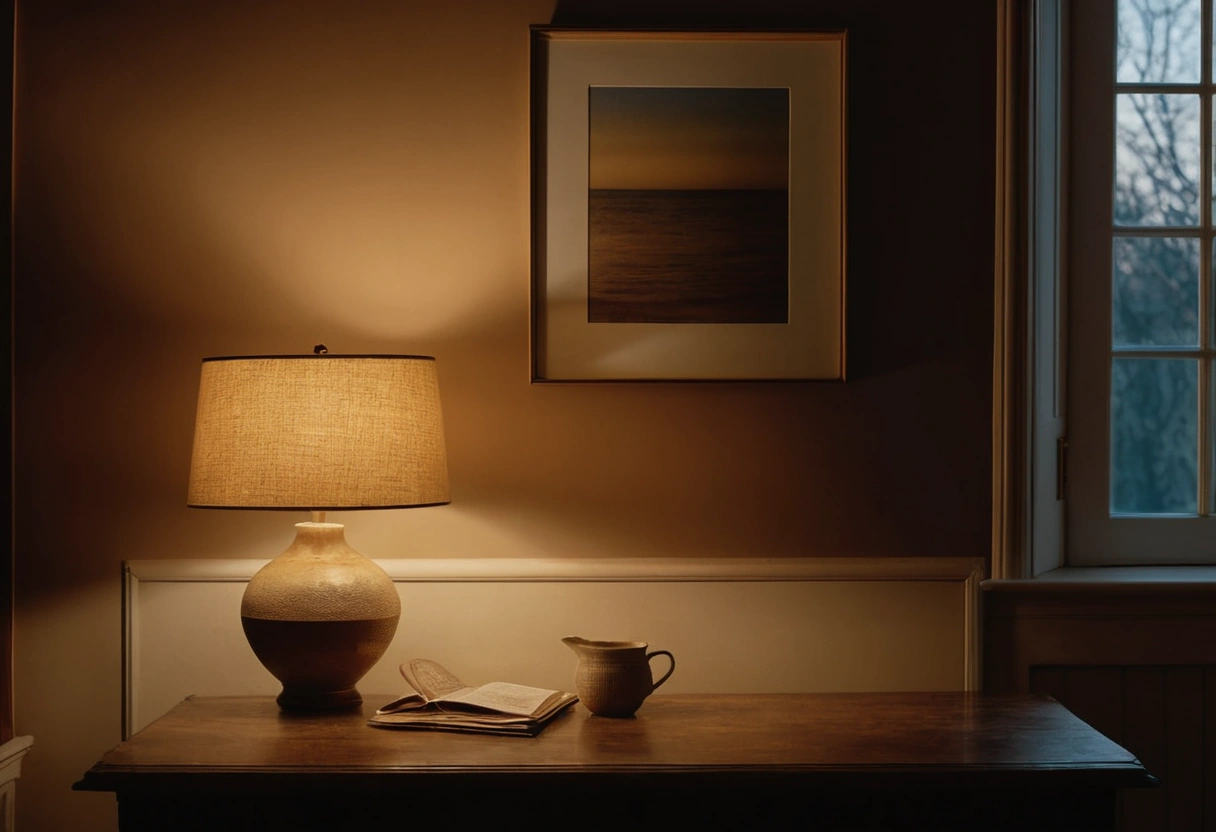
Color is a moving target across the day, so the schedule is the test.
| Check | Light source | What to watch for |
|---|---|---|
| Morning | low-angle daylight | cool cast in east rooms, undertone shifts |
| Midday | full daylight | the truest read of hue and depth |
| Evening | your own bulbs | warm re-tint, how the color hosts at night |
The evening check is the one people skip and the one that decides most repaints, because your bulbs re-tint every candidate; the Kelvin ranges in our bulb color temperature guide explain what 2700K lamps will do to a cool gray. Add a gray-day look if the weather cooperates, and let the boards hang at least 48 hours so you catch two mornings and two evenings before deciding.
Season skews the test as well. Winter sun sits lower and warmer than summer sun, and trees in leaf can cool a room that reads golden in March. Nobody waits half a year to paint, but knowing the skew helps you discount a reading produced by one angled winter beam.
Test against fixed finishes, not against air
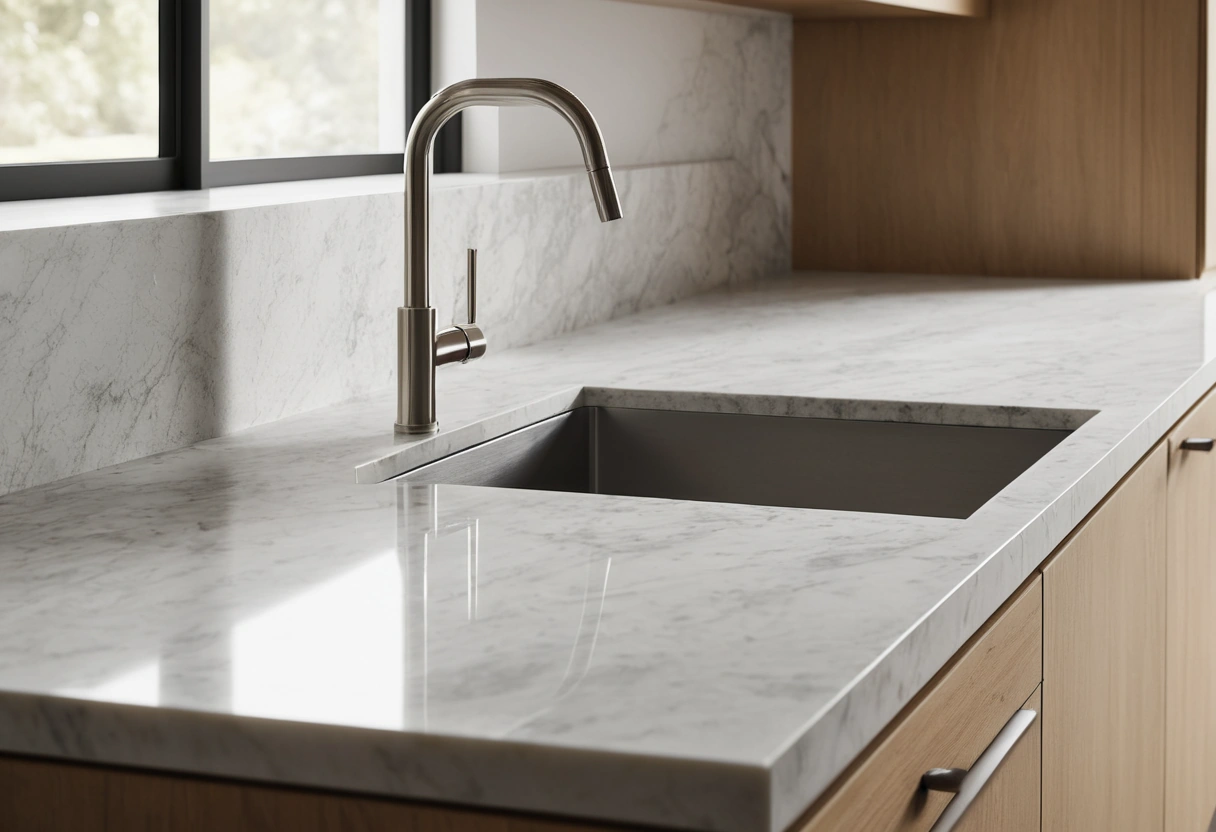
A color that looks right floating on a wall can still fail the room, because the failures happen at borders. Carry each board to the floor, the countertop, the tile, the sofa, and the curtains, and judge the pair, not the paint. Neutrals are the touchiest here; the warm-or-cool verdict comes from the finishes, as laid out in our guide to warm and cool neutrals.
Keep boards vertical when judging. A board lying flat catches ceiling light and reads lighter than the same color on a wall. And test where the wall actually lives: the stretch behind a floor lamp and the shadowed run beside the bookcase are both the same paint, so give the board time in both spots.
Run one artificial-light experiment while you are at it: swap the room’s bulbs between warm and neutral for an evening and watch the candidates move. Paint and bulbs get chosen together in practice, and changing a bulb is cheaper than changing the walls.
Peel-and-stick samples: first cut, not final call
Peel-and-stick swatches are real paint applied to adhesive film, typically $6 to $10 each, and they are accurate for hue in a way printed chips never are. They ship in a day or two, stick and re-stick without wall damage, and make an honest first-round filter. They also solve the rental and pre-move problem, since nothing needs patching when they come down.
Their limits: most run about 9 by 15 inches, small for reading a wall color at scale, and they come in one fixed sheen, usually matte. Since sheen shifts both the color and its durability story, the finalists still earn painted boards in the exact product and sheen you will buy, per the ladder in our paint sheen guide. Use stickers to cut eight candidates to three, then boards to pick the one.
The 48-hour protocol
- Narrow to one undertone family, then two to four candidates.
- Two coats on 18-by-24-inch boards, edge to edge, codes on the back.
- Tape boards to the actual walls; move them to the darkest and brightest spots.
- Check morning, midday, and evening, two days running.
- Hold each board against floor, counters, and main furniture.
- Pick the winner, then record its code, sheen, and room in your whole-house color palette file before the cans are even open.