Paint Undertones: How to Read Them Before You Buy
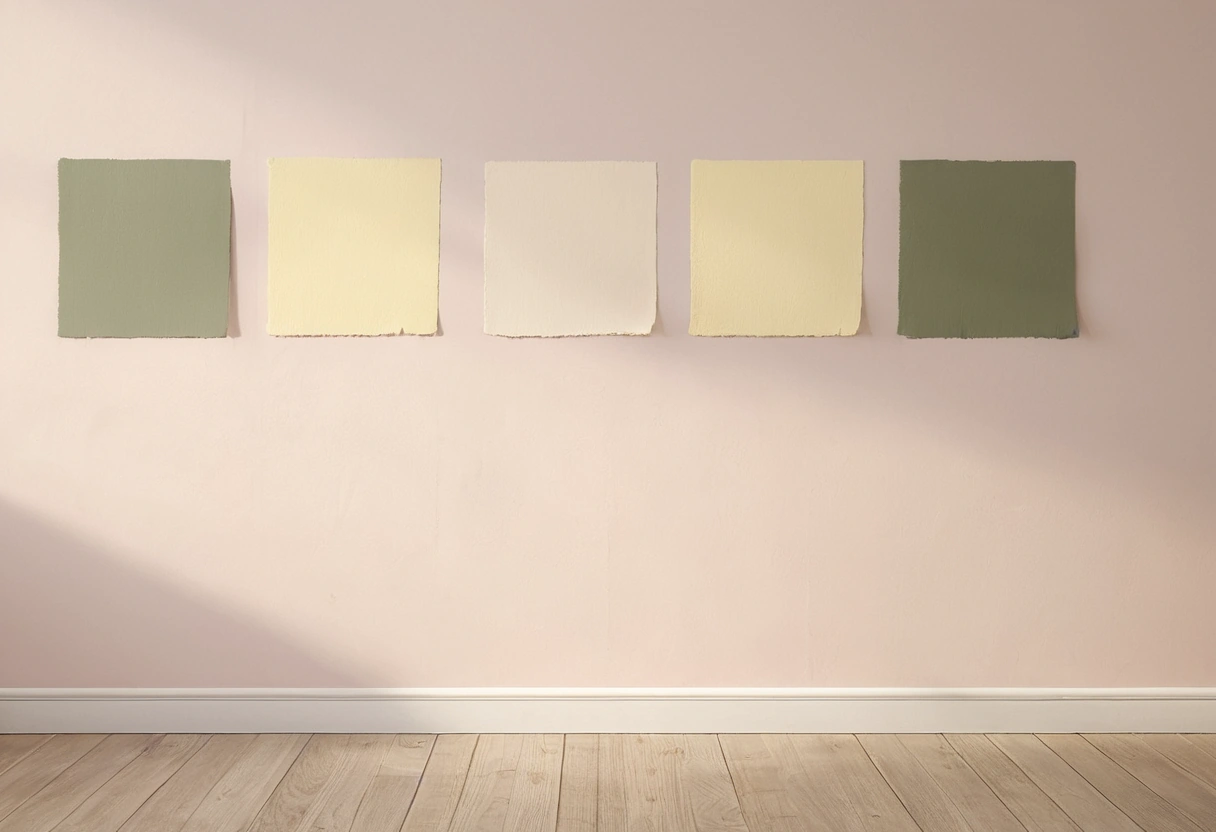
Every paint color has two layers: the mass tone you name (beige, gray, white) and the undertone underneath it (pink, yellow, green, blue, or violet). To read the undertone before you buy, set the chip against pure white, look at the darkest color on the same strip, and check it in both north and south light. Most neutral disasters come down to one clash: pink beige next to yellow beige.
What an undertone actually is
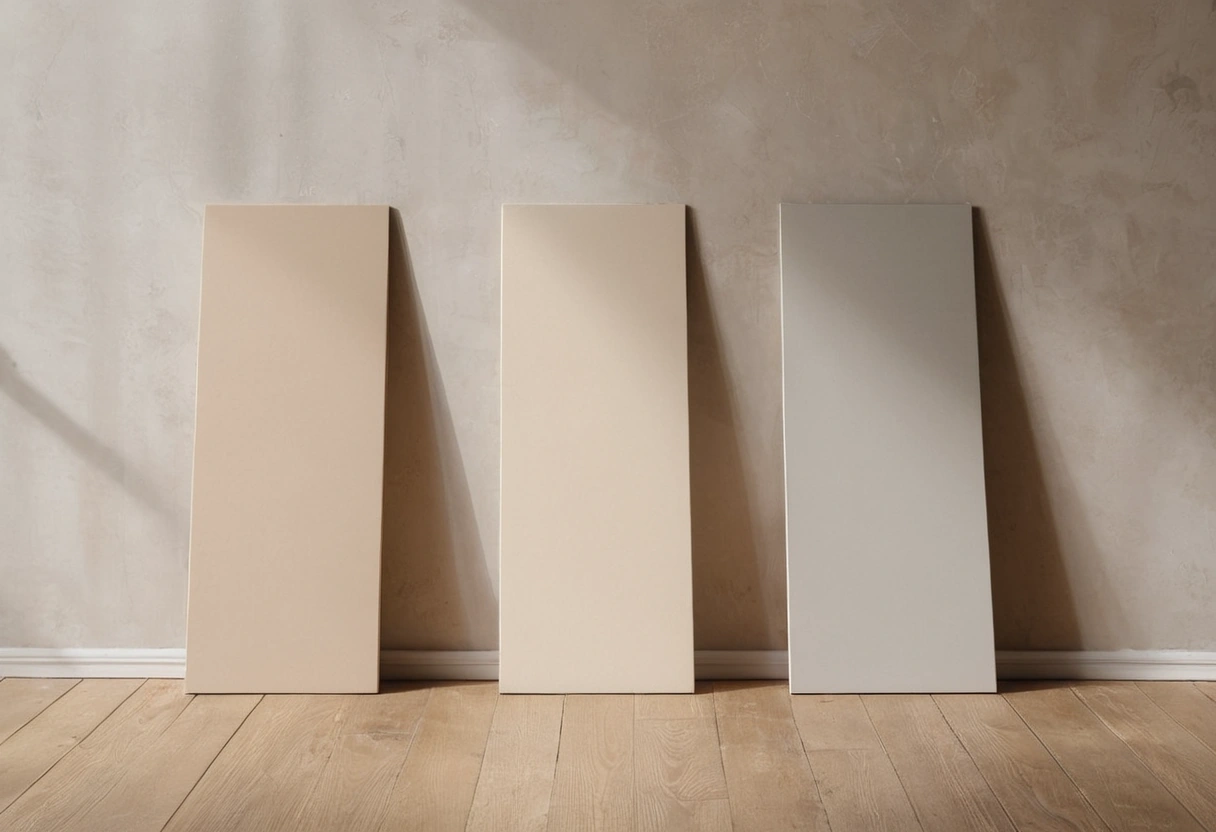
Almost no interior paint comes from a single pigment. A warm white usually carries a drop of umber or yellow oxide. Most grays are mixed from complements, so they lean blue, green, or violet. Every beige tips toward pink, yellow, orange, or green. The color you name is the mass tone; the direction it leans is the undertone.
On a 2-inch chip, the undertone whispers. Across 350 square feet of wall, it becomes the loudest thing in the room, because a large field of color amplifies whatever secondary note it carries. That is the rule of scale: anything you can barely see in the chip will multiply on the wall. It also explains why two greige chips that look identical under store lighting split apart at home, one drifting pink, the other green. The chips were never identical; the store light and the small sample size hid the lean.
The white-chip test
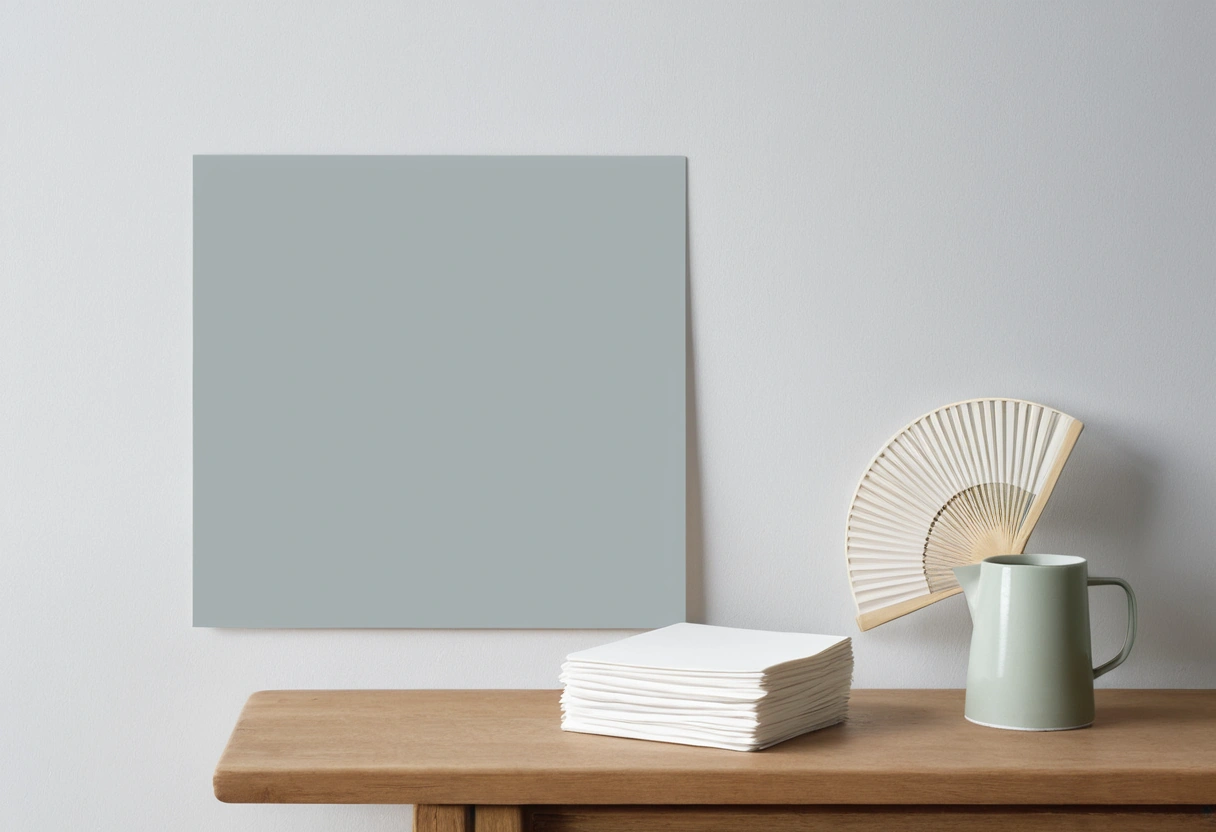
The fastest read is contrast against a known reference. Set the chip on a sheet of bright white printer paper, or against the whitest white in the same brand’s fan deck. Next to true white, the hidden tint declares itself: a “white” chip suddenly reads cream, pink, or blue. If it still reads pure white against paper, you are holding one of the rare clean whites.
Two more store tricks, both long-standing designer habits:
- Read the bottom of the strip. Colors on one paint strip usually share a pigment recipe, and the undertone concentrates in the darkest chip. If the bottom chip is salmon, the pale chip at the top is a pink beige, no matter how neutral it looks alone.
- Line up three neighbors. Undertones read by comparison, not in isolation. Pull three similar chips and set them side by side; the odd one out shows its lean immediately. A lone chip has nothing to betray it.
How north and south light shift undertones
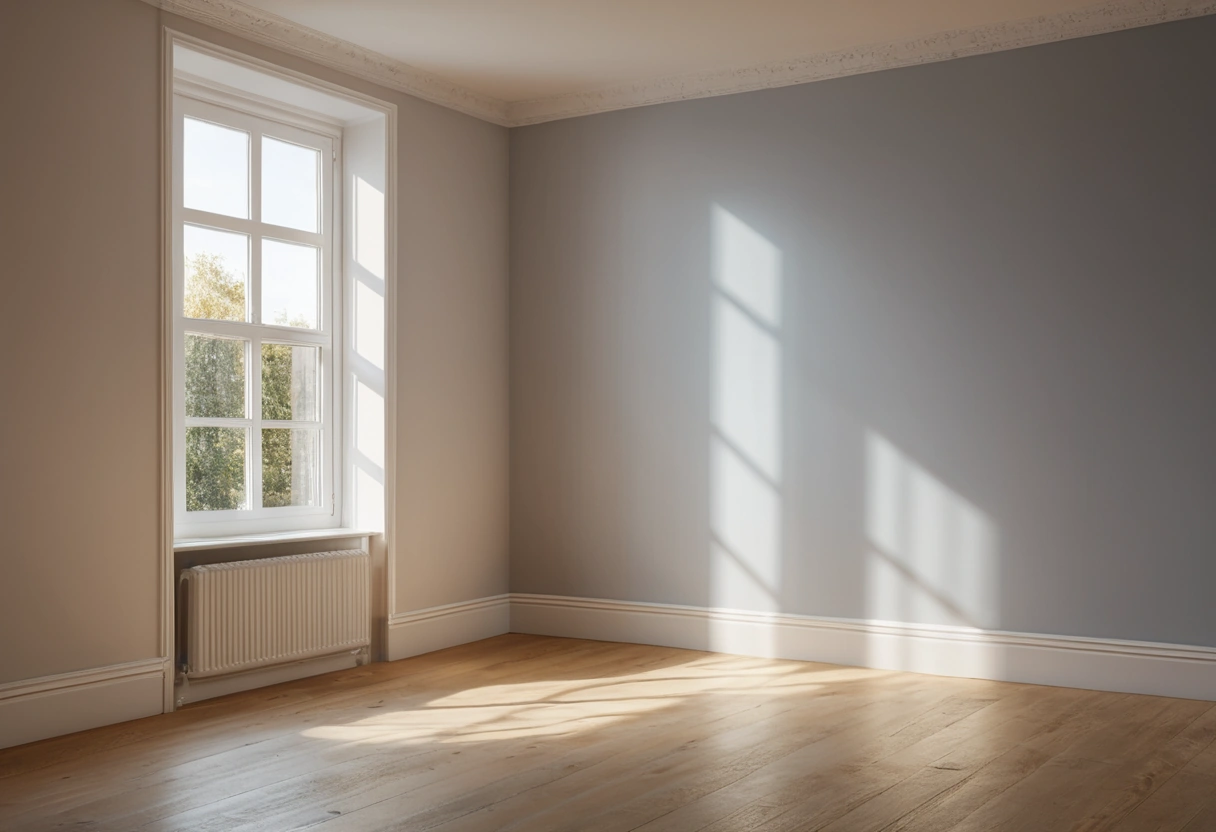
Light direction changes what an undertone does, so a chip must be checked in the room it will live in, held vertically against the wall it will cover.
- North-facing rooms get cool, steady, slightly blue light all day. That light sharpens blue, green, and gray undertones and can turn warm beiges muddy.
- South-facing rooms get warm light through the middle of the day. It flatters warm undertones and can push a barely-there pink in a white to a visible blush.
- East rooms run warm in the morning and flat by afternoon; west rooms do the reverse and end the day in a hot orange wash.
After sunset, your lamps take over completely, and the ranges in our guide to bulb color temperature explain why a 2700K bulb re-warms a cool gray every evening. Check any finalist at least twice: once in full daylight, once at night under your own bulbs.
The classic clashes and their tells
| Neutral family | Common undertones | Clashes hardest with |
|---|---|---|
| Beige | pink, yellow, orange, green | a beige with a different lean |
| Gray | blue, green, violet | warm wood floors (violet grays especially) |
| Greige | pink, green | the other greige lean |
| White | yellow, pink, blue | other whites on trim or ceiling |
Pink beige against yellow beige is the classic wreck: a pink-beige carpet under yellow-beige walls makes both look dirty, and neither reads as the culprit on its own. Whites clash the same way; ivory trim against a blue-white wall turns the trim dingy. Gray has its own trap: a violet-gray wall over an orange-toned oak floor sets up a quiet fight the room never wins. The fix is never a “better” color. It is a matching undertone.
When a clash already exists, change the cheaper element. Walls repaint for a few hundred dollars; carpet and stone do not. Pull the undertone straight from the fixed piece: hold its sample against the paint strip and pick the chip family that quiets the pair. If nothing quiets it, a true neutral buffer, a soft white or a balanced greige, between the two fighters is the standard retreat.
Read the undertones you already own
Paint is the last decision, not the first, because the room’s fixed elements already voted. Floors, counters, tile, brick, and the biggest upholstery all carry undertones, and the new paint has to join their team: warm with warm, cool with cool. Wood floors are rarely plain brown; most oak leans yellow to orange, and red oak leans pink, which is why matching wood undertones is its own discipline. Stone and quartz counters lean too, usually toward gray-blue or cream.
The same logic scales up. Carrying one undertone family through halls and connective rooms is the backbone of a whole-house color palette, and it starts with committing to a lane, warm or cool, using the tests in our guide to warm and cool neutrals.
The five-minute check before you buy
- Set the chip on pure white paper and name the tint you see.
- Read the darkest chip on the strip; that is the undertone, concentrated.
- Line up three similar chips and find the odd one out.
- Tape the chip vertically to the wall it will cover; look morning and night.
- Hold it against the floor, the counters, and the largest piece of furniture.
- Confirm the finalists with big painted boards, using the method in how to test paint colors, before buying gallons.
An undertone caught at the store costs nothing. One caught after two coats costs the whole repaint.