Warm vs. Cool Neutrals: Picking the Right White and Beige
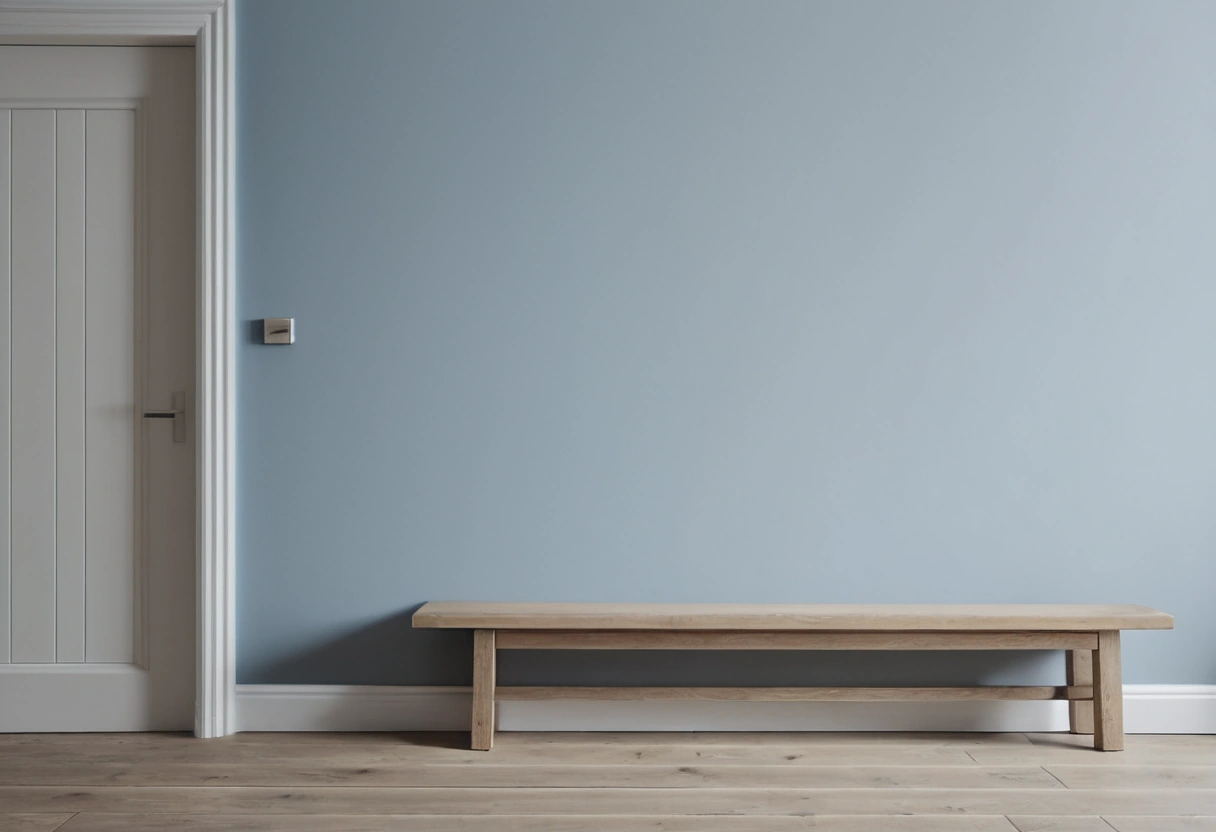
Neutrals sit on one axis: warm ones carry yellow, orange, or red undertones; cool ones carry blue, green, or violet. Pick the side your fixed finishes already live on, then set the depth with LRV, the light reflectance value printed on most chips: true whites run about 82 to 94, off-whites 70 to 82, light neutrals 55 to 70. Whites fail more often than any color because they have almost no pigment to hide their lean.
The warm-cool axis, in plain terms
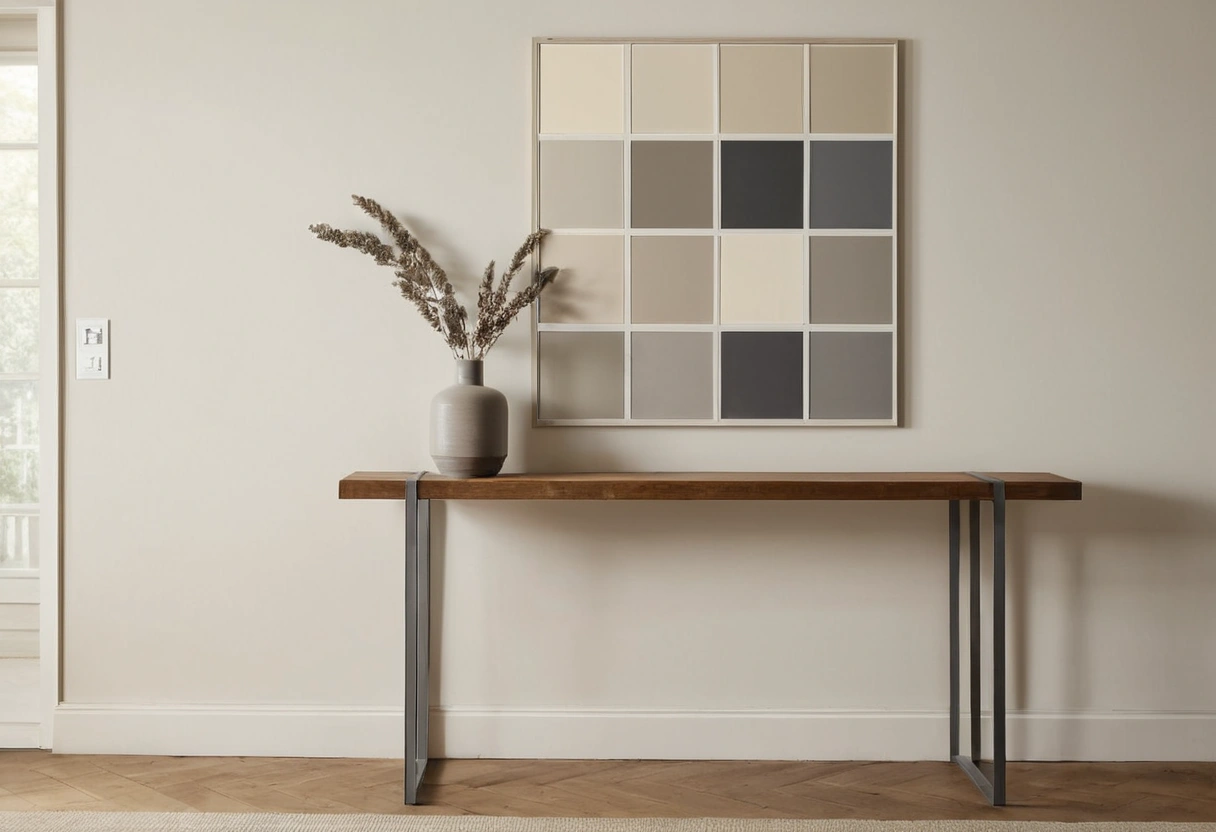
A warm neutral has a little yellow, orange, or red in the mix; it reads sunny, creamy, or earthy. A cool neutral carries blue, green, or violet; it reads crisp, airy, or stony. Greige sits near the middle, gray softened with beige, which is exactly why it took over: it tolerates both warm and cool company better than a hard-leaning neutral does.
Temperature is relative, though. The same white can look warm next to a blue-gray and cool next to ivory. That is why neutrals are judged in context, against the finishes and colors they will actually touch, using the comparison tricks covered in our guide to paint undertones.
Names on the can are weak evidence of temperature. Plenty of colors sold as “warm gray” read cold on a wall, and some whites are unmistakably yellow. Trust the comparison tests, not the marketing name.
LRV: the number that predicts light bounce
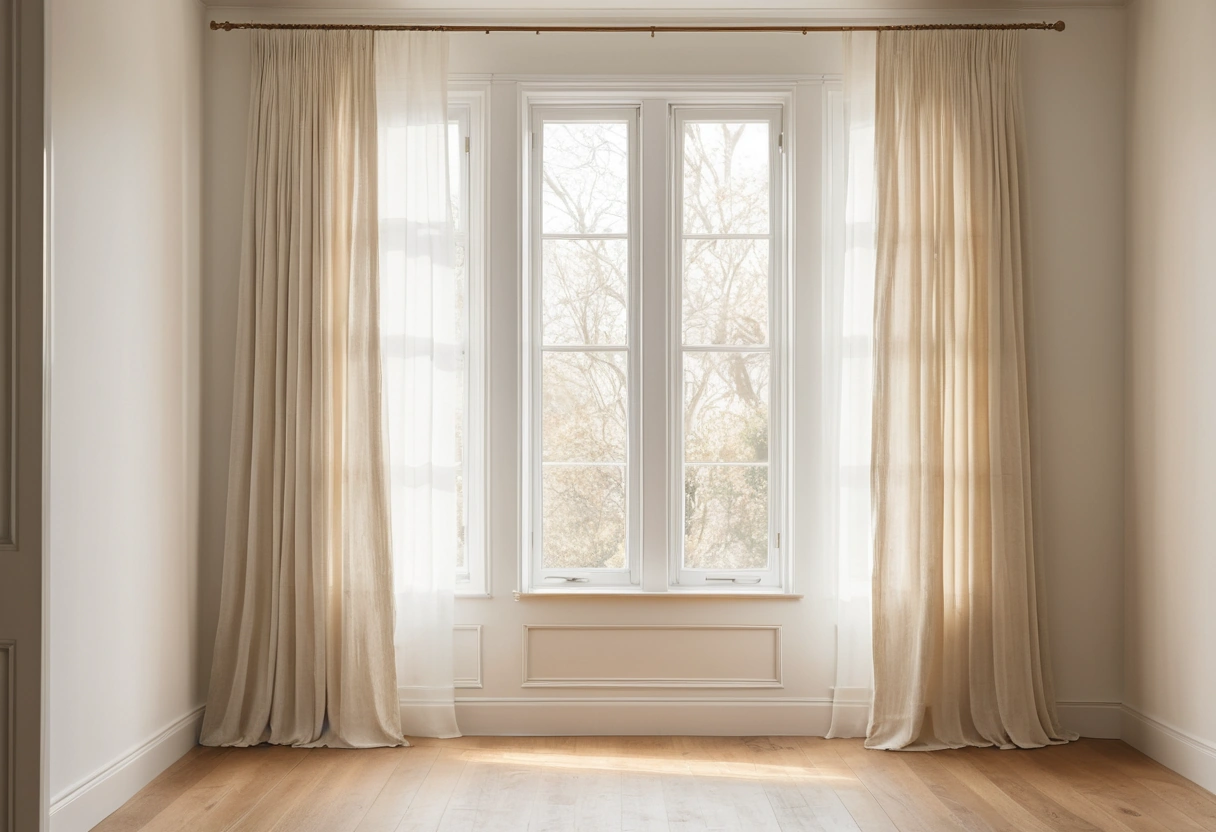
LRV measures how much light a color reflects, on a scale from 0 (theoretical black) to 100 (theoretical white). Real paints top out around 94 and bottom out near 3. As a working rule, colors above about 60 keep a room feeling light and bounce daylight deeper into the floor plan; colors below about 15 read as dramatic and absorb most of what hits them.
| LRV range | Reads as | Where it earns its keep |
|---|---|---|
| 82 to 94 | true white | trim, ceilings, galleries of art |
| 70 to 82 | off-white | most walls in bright rooms |
| 55 to 70 | light neutral | north rooms, open plans, halls |
| 40 to 55 | mid-tone | dining rooms, studies, accent walls |
| Under 15 | dark drama | dens, powder rooms, night rooms |
Use LRV to compare candidates honestly. Two beiges that look alike may sit ten LRV points apart, and the darker one will read a full shade deeper on the wall.
LRV also predicts how much a room’s brightness depends on the paint. In a north room that never sees direct sun, dropping from LRV 75 to 55 visibly darkens the space; in a south room the same swap barely registers before evening. Rooms with one small window sit closer to the north case than most people expect.
Match the neutral to your fixed finishes
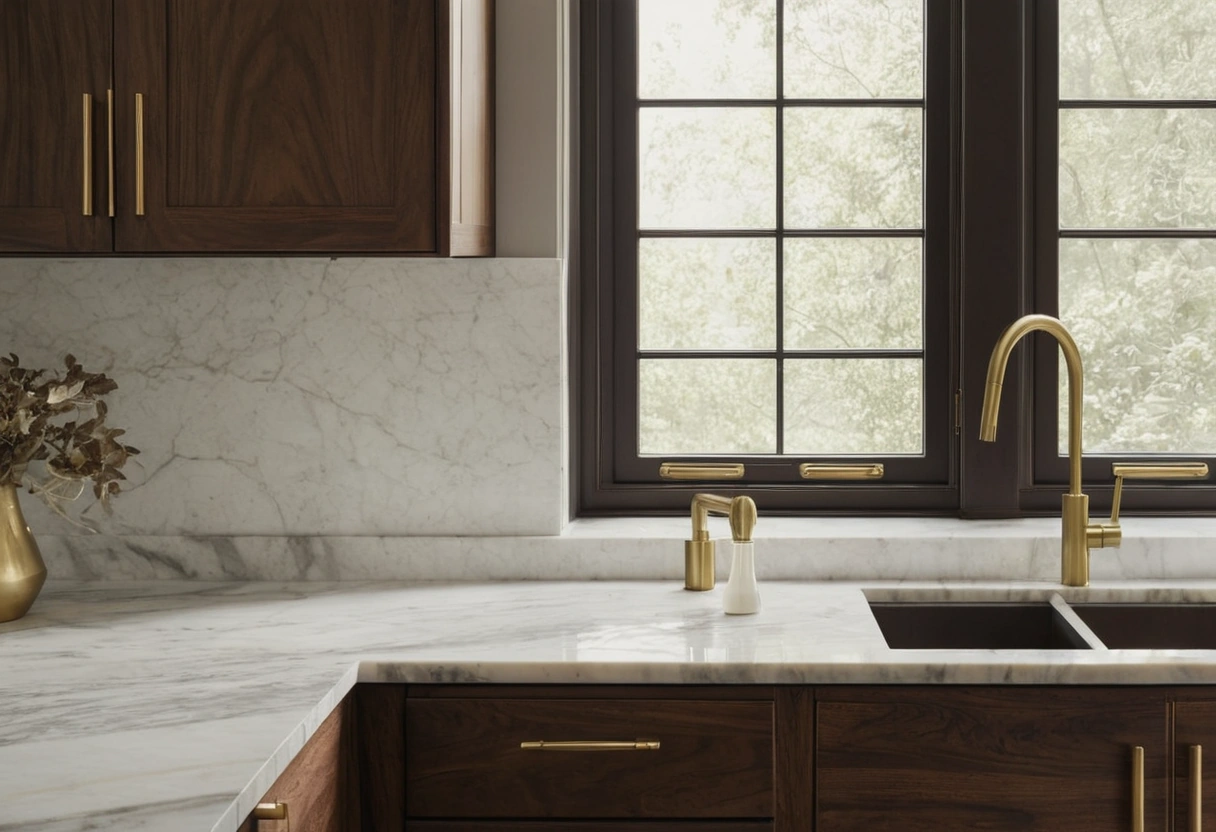
Paint is the most flexible finish in the room, so it gets picked last. Inventory what is staying: floors, countertops, tile, stone, brick, big upholstery. Each has a temperature, and the paint should join the majority side.
Wood floors usually vote warm; most oak leans yellow-orange and red oak leans pink. Counters vote all over the map: marble-look quartz often leans cool gray, cream granites vote warm, and the honest way to know is to hold a pure white sheet against them, the same test that works on chips. The material-by-material behavior is covered in our countertop comparison. When the votes split, side with the largest surface, then use rugs and textiles to bridge the minority finish.
Why whites fail more often than colors
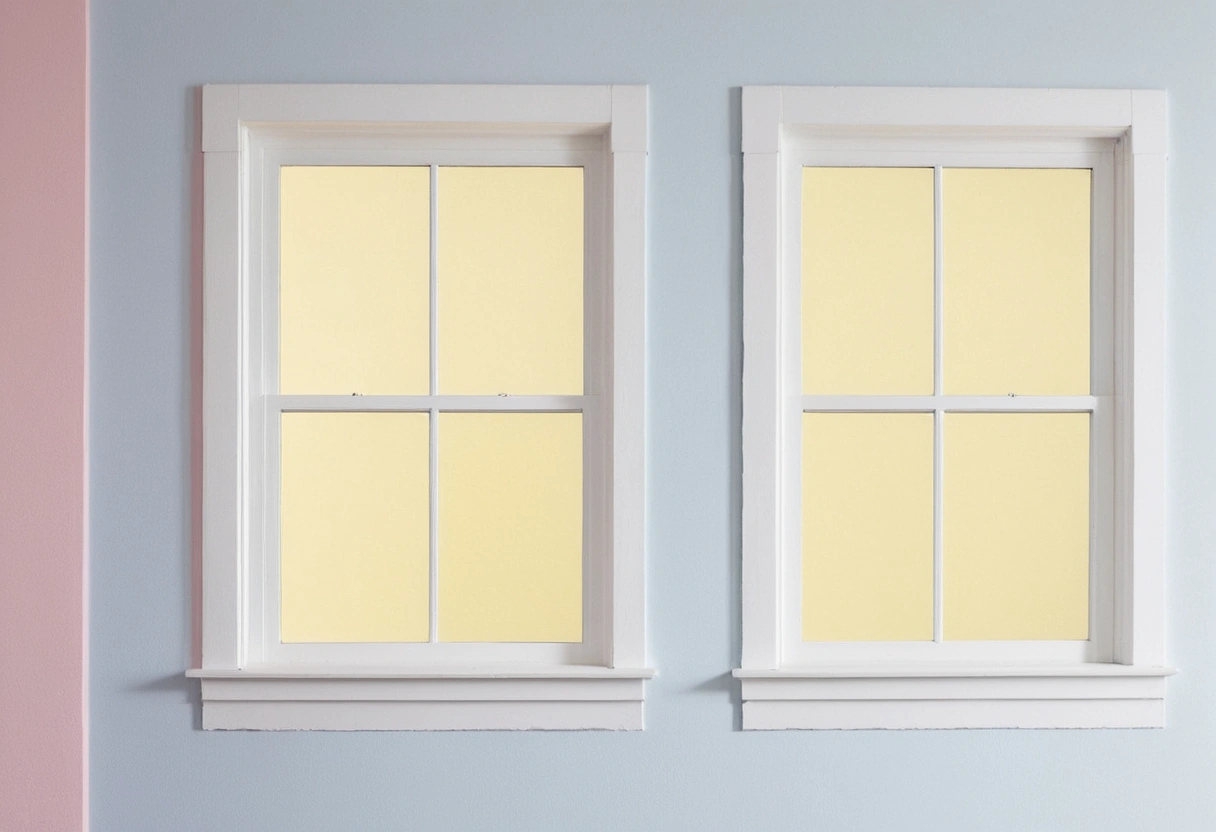
White paint is close to a mirror. With an LRV in the 80s, it reflects its surroundings: lawn green through a window, red brick next door, the floor’s orange cast. And because a white carries only a few drops of tint, that tiny undertone is the entire personality of the color; there is nothing else to look at.
Whites also live next to other whites, on trim, ceilings, and cabinets, and whites judge each other brutally. A yellow-leaning wall white can make bright white trim look blue; a blue-leaning white can make ivory trim look dirty. Artificial light stirs the pot further, since a warm bulb re-tints every white in the room, which is why the Kelvin ranges in our bulb color temperature guide belong in the decision. Never pick a white from a chip alone; paint big samples and live with them, following the schedule in how to test paint colors.
Beige, greige, or gray: picking a lane
If the floors are warm wood and the counters cream, a beige or warm greige keeps the room coherent, roughly LRV 60 to 75 for walls. If the counters are cool gray and the metals are chrome or nickel, a cool greige or gray in the same LRV band holds together better. Whole-gray rooms went cold for many people precisely because gray fought their warm floors; greige exists to end that fight.
Whichever lane you pick, stay in it for connective spaces. Halls, stairways, and open plans should share one undertone family so rooms hand off to each other cleanly.
Metals and bulbs belong in the vote too. Brass and bronze push a room warm, chrome and nickel cool, and a house full of warm lamps re-tints every wall after dark no matter which lane was picked. The lane has to survive both the noon and the evening version of the room.
The decision list
- List the fixed finishes and name each one warm or cool; side with the majority.
- Pick the lane: beige or warm greige for warm rooms, gray or cool greige for cool ones.
- Choose wall depth by LRV: 70-plus for bright rooms, 55 to 70 for darker ones.
- Keep one trim white, around LRV 85 or higher, and test it against every wall color.
- Sample the two or three finalists on boards, morning and night, before buying gallons.