TV Height and Viewing Distance: Get the Numbers Right
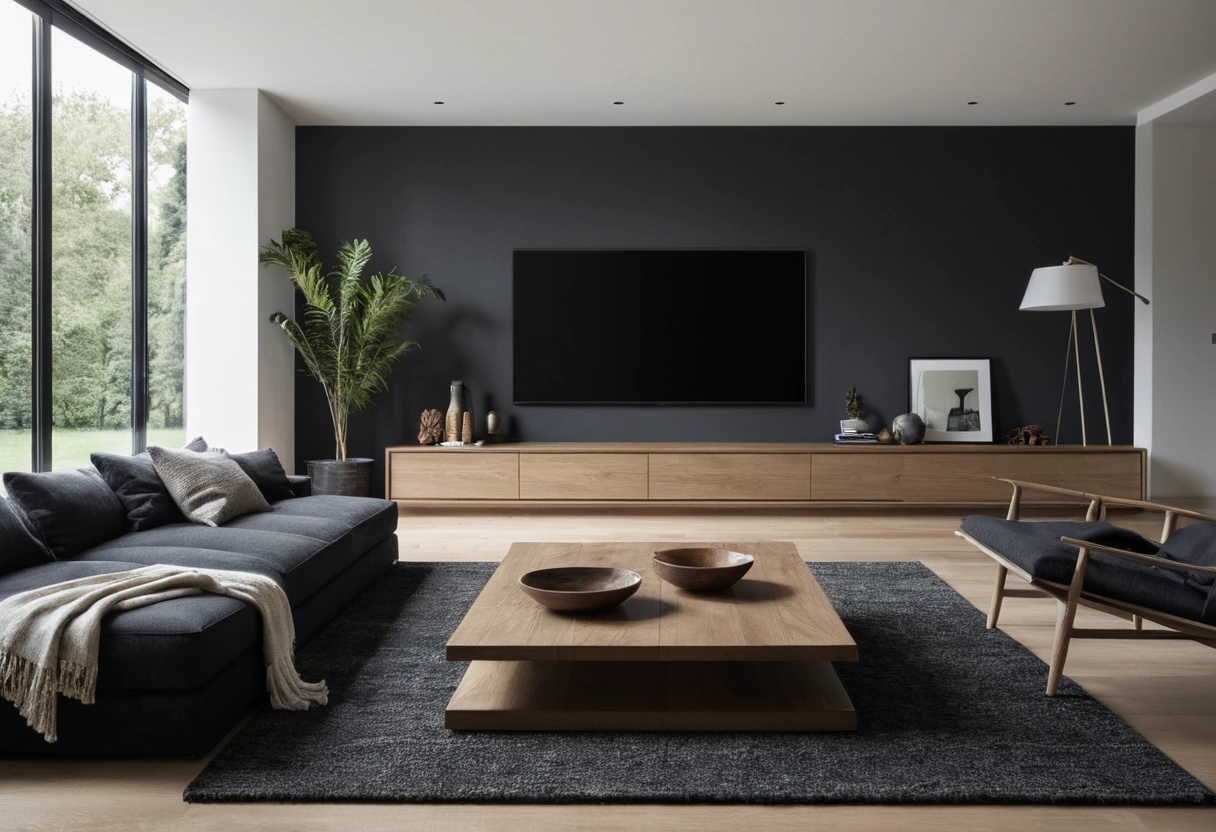
Two numbers set up a TV correctly: the center of the screen should sit about 42 inches off the floor for seated viewing, and the sofa should sit 1 to 1.5 times the screen diagonal away for a 4K set. For a 65-inch TV, that means center at 42 inches and seating 5.5 to 8 feet back. Everything else is adjustment for your room.
Why 42 inches is the height that works
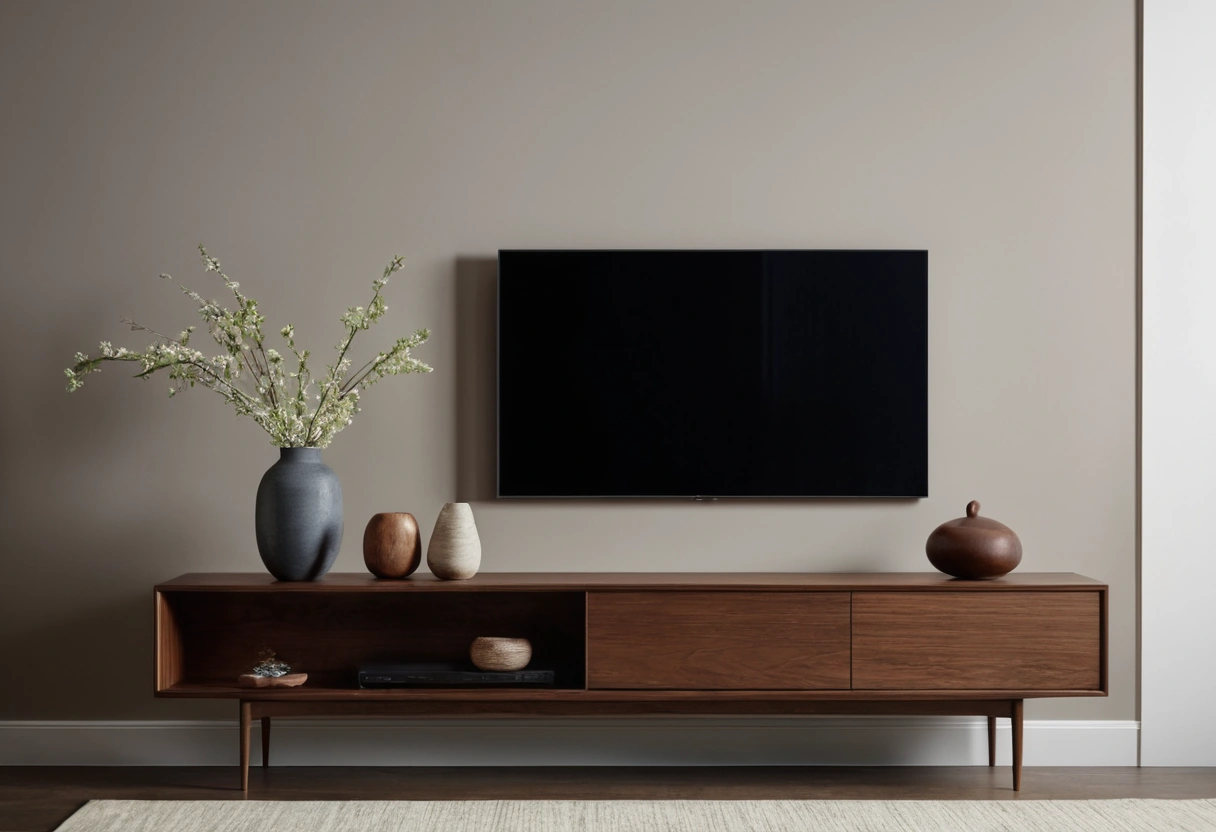
Seated eye height for most adults lands between 40 and 44 inches, so a screen centered at 42 puts the middle of the picture level with your eyes. That is the whole rule. The eye tolerates looking slightly down at a screen far better than looking up, which is why the common mistakes all run high, not low.
For a 65-inch TV, which stands roughly 32 inches tall, a 42-inch center means the bottom edge floats about 26 inches off the floor. That is lower than most people expect. Media consoles run 20 to 24 inches tall, so a TV standing on furniture usually lands close to right; run the check anyway. Console height plus half the screen height should come out near 42.
Bedroom TVs run higher because you watch reclined against a headboard: a center height of 48 to 55 inches is the usual band. Our bedroom layout guide covers the clearances around the rest of the furniture.
The 42-inch figure assumes an 18-inch seat. Calibrate to your actual sofa: sit in your normal spot and have someone measure from the floor to your eyes, then center the screen there. Low lounge seating can drop the number to 36 to 38 inches, while tall wingbacks push it past 44. Five minutes with a tape beats any published average.
Viewing distance by screen size
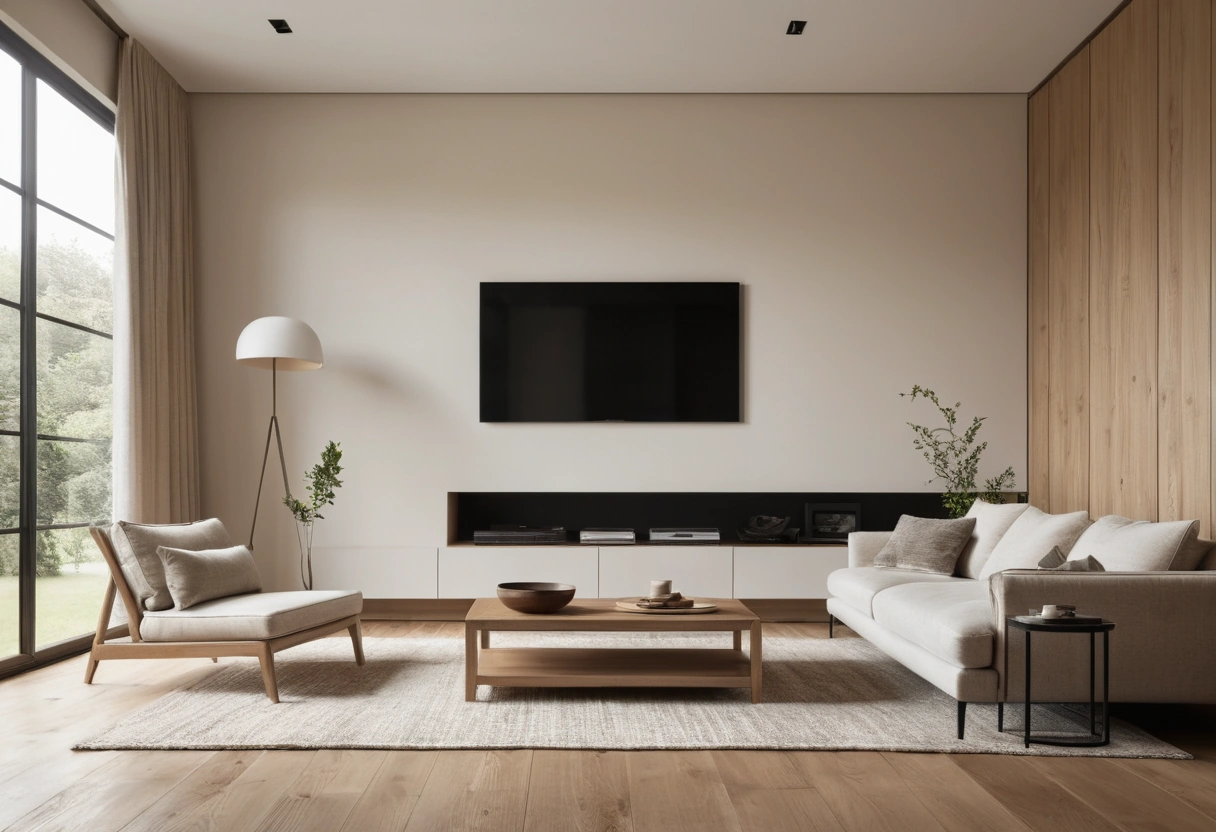
Resolution decides distance. For 4K, the working range is 1 to 1.5 times the diagonal: closer and you start seeing pixel structure, farther and the extra detail is wasted. For older 1080p sets, stretch that to 1.5 to 2.5 times.
| Screen size | 4K distance range |
|---|---|
| 55 in | 4.5 to 7 ft |
| 65 in | 5.5 to 8 ft |
| 75 in | 6 to 9.5 ft |
| 85 in | 7 to 10.5 ft |
Run the math in reverse to size a purchase: measure from eyes to wall, divide by 1.5, and that is the smallest diagonal that fills the view. A sofa 9 feet from the screen wall supports a 75-inch set comfortably. In small apartments the seat often can’t move back, which argues for a smaller screen, not a compromised layout; the same logic drives the furniture choices in our guide to small living room furniture.
Should the TV go above the fireplace?
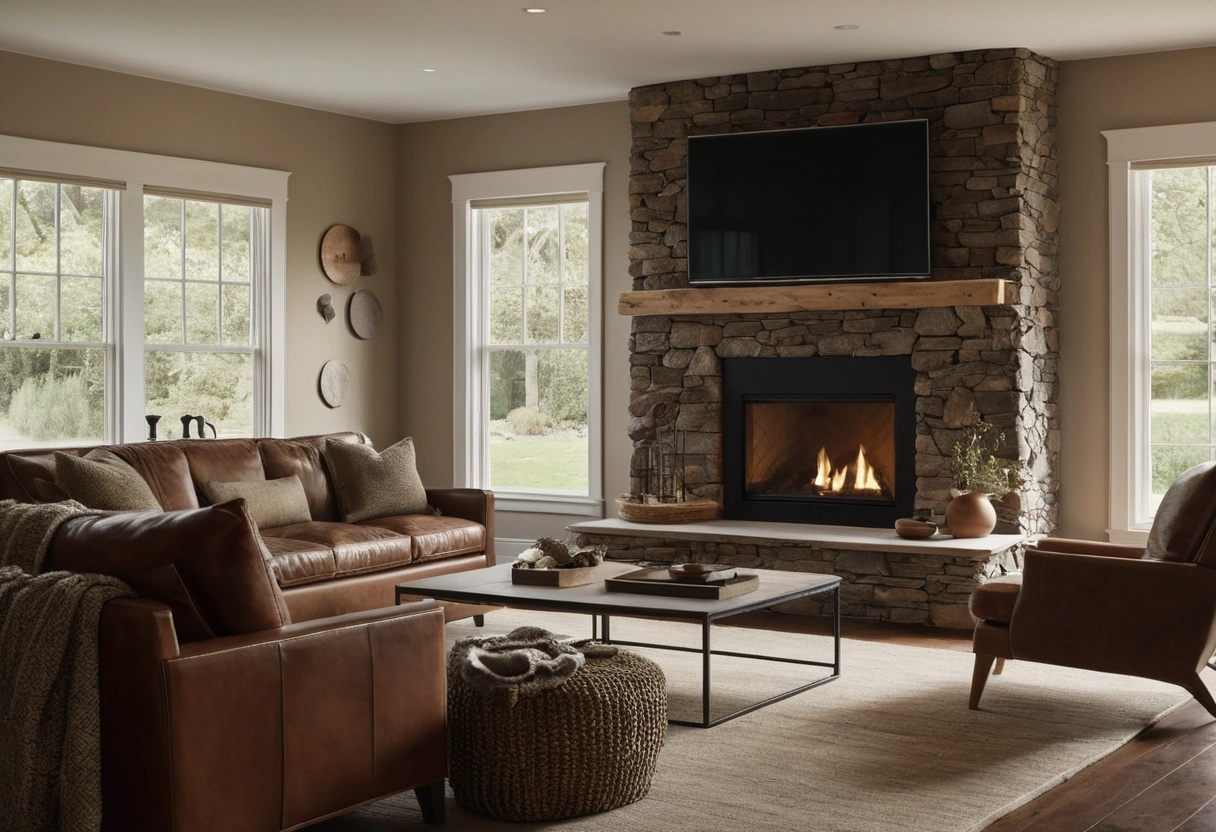
Above a fireplace, the screen center typically lands 60 to 70 inches high: 20 inches or more above ideal. Holding a 15-degree upward gaze through a two-hour movie is a documented recipe for neck strain, and picture quality also drops because most panels lose contrast when viewed from below.
The arrangement is workable when three things line up: the mantel is low (under about 48 inches), the seating sits 10 feet or more back so the upward angle flattens, and the seats recline. If you go ahead with it, the standard fixes are a tilt mount angled 5 to 15 degrees down, or a pull-down mount (typically $200 to $600) that brings the screen to eye level for viewing. Check heat too: hold a thermometer above the mantel during a fire, and skip the spot if it runs hot.
The honest alternative is usually better: put the TV on the adjacent wall and let the fireplace keep its role, using the focal point rules to angle seating so it serves both.
Angles, glare, and the room around the screen
Horizontal position matters as much as height. Modern panels hold their color and contrast within about 30 degrees off-axis; past that, the picture washes out. Arrange the main seats inside that cone, and treat seats outside it as overflow, not primary viewing.
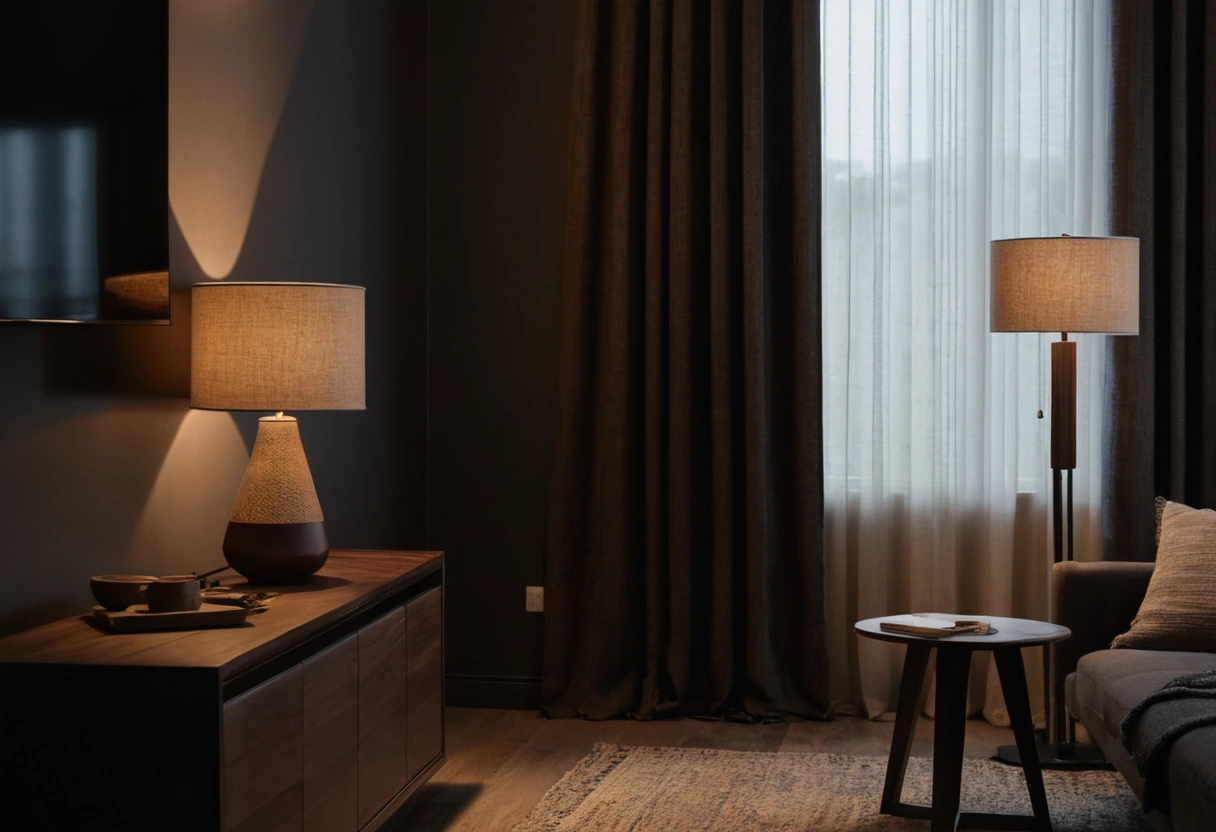
Glare is the other angle problem. Set the screen perpendicular to the main windows, never facing them, and put blackout-capable window treatment on any glass that still reflects. In the evening, a low light source behind or beside the screen, called bias lighting, reduces eye strain and makes black levels look deeper. It slots naturally into a layered lighting plan rather than a single bright ceiling fixture that reflects in the panel.
Leave breathing room around the hardware as well. A wall mount wants open stud bays for recessed power and cable boxes, a soundbar claims 3 to 5 inches below the screen, and a console under a mounted TV should be wider than the panel so the composition doesn’t look top-heavy. A 65-inch screen over a 48-inch console reads as a mistake from across the room.
The mounting checklist
Confirm these before drilling:
- Center of screen at about 42 inches seated, 48 to 55 in a bedroom.
- Distance between 1 and 1.5 times the diagonal for 4K.
- Main seats within 30 degrees of straight-on.
- Screen perpendicular to major windows, with bias light planned behind it.
- Tilt or pull-down mount if the center must sit above 50 inches.
- Mount anchored into studs, with power and cable outlets relocated behind the panel.
Tape a paper rectangle of the screen’s exact size to the wall and sit with it for an evening. The right height looks strangely low on an empty wall, and the tape test proves it before the lag bolts go in.